If you are thinking about improving your yard, hardscaping often raises the most questions. You may be weighing patios, walkways, or walls while also wondering how much change your yard actually needs.
It can feel unclear where to start, especially when slope, drainage, and daily use all play a role. In Marietta and nearby areas, these details matter more than most homeowners expect.
This guide focuses on practical hardscape design tips and ideas you can use right away. You will learn how hardscaping works with landscaping, which features add real use, and how to plan projects that hold up over time. A clear plan makes every next step easier.
Quick Look
Hardscaping creates usable outdoor space: Features like patios, walkways, and retaining walls solve day-to-day problems and improve access.
Plan with purpose: Focus on drainage, base preparation, and slope to ensure your hardscaping holds up over time.
Top trends for 2026: Outdoor living rooms, natural tones, and drainage-conscious materials are trending for easy maintenance and better functionality.
Use hardscaping and landscaping together: Hardscaping structures the space, while landscaping adds beauty and shade.
Higginbotham Designs specializes in Marietta-area hardscaping, ensuring your design fits local climate conditions and needs for long-lasting results.
What is Hardscaping?
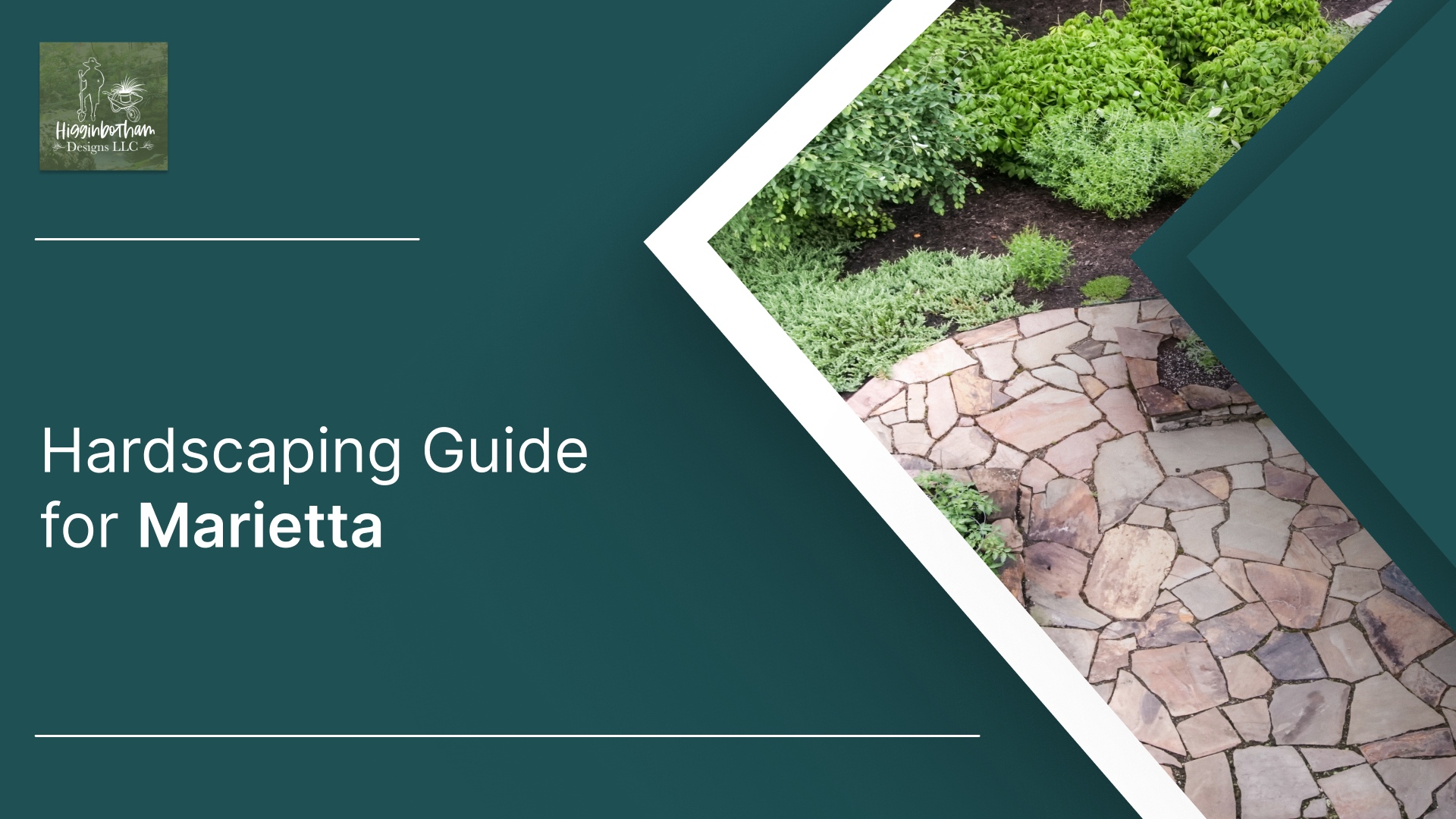
Hardscaping covers the built parts of your yard. These are the non-living features that create structure, improve access, and make outdoor space usable.
When hardscaping is planned well, you get clearer walking routes, more stable seating areas, and better control of water flow during heavy rain.
Common hardscaping features include:
patios and outdoor seating zones
walkways, steps, and landings
retaining walls for slopes and level changes
fire features for gathering spaces
water features that add a focal point
In Marietta and nearby areas, hardscaping decisions often come down to grade, drainage, sun exposure, and how you use the space day-to-day.
Hardscaping vs Landscaping
Hardscaping and landscaping work best together, but they solve different problems. Use this table to quickly see the difference.
Category | Hardscaping | Landscaping |
What it includes | Built, non-living features | Living elements and planting |
What it improves | Usable space, access, safety, structure | Shade, privacy, curb appeal, seasonal color |
Common examples | Patios, walkways, retaining walls, steps | Trees, shrubs, lawn, garden beds |
What to plan first | Often, first when slope and drainage are issues | Often follows once the structure and grade are set |
When the two are planned together, your yard feels balanced and easier to maintain. Next, you will see the types of hardscaping homeowners use most and what each one helps you achieve.
Types of Hardscaping Homeowners Use Most
Hardscaping works best when you choose features based on a clear goal. You are not adding stone or pavers for their own sake. You are solving a day-to-day problem in your yard.
1. Patios and outdoor seating zones
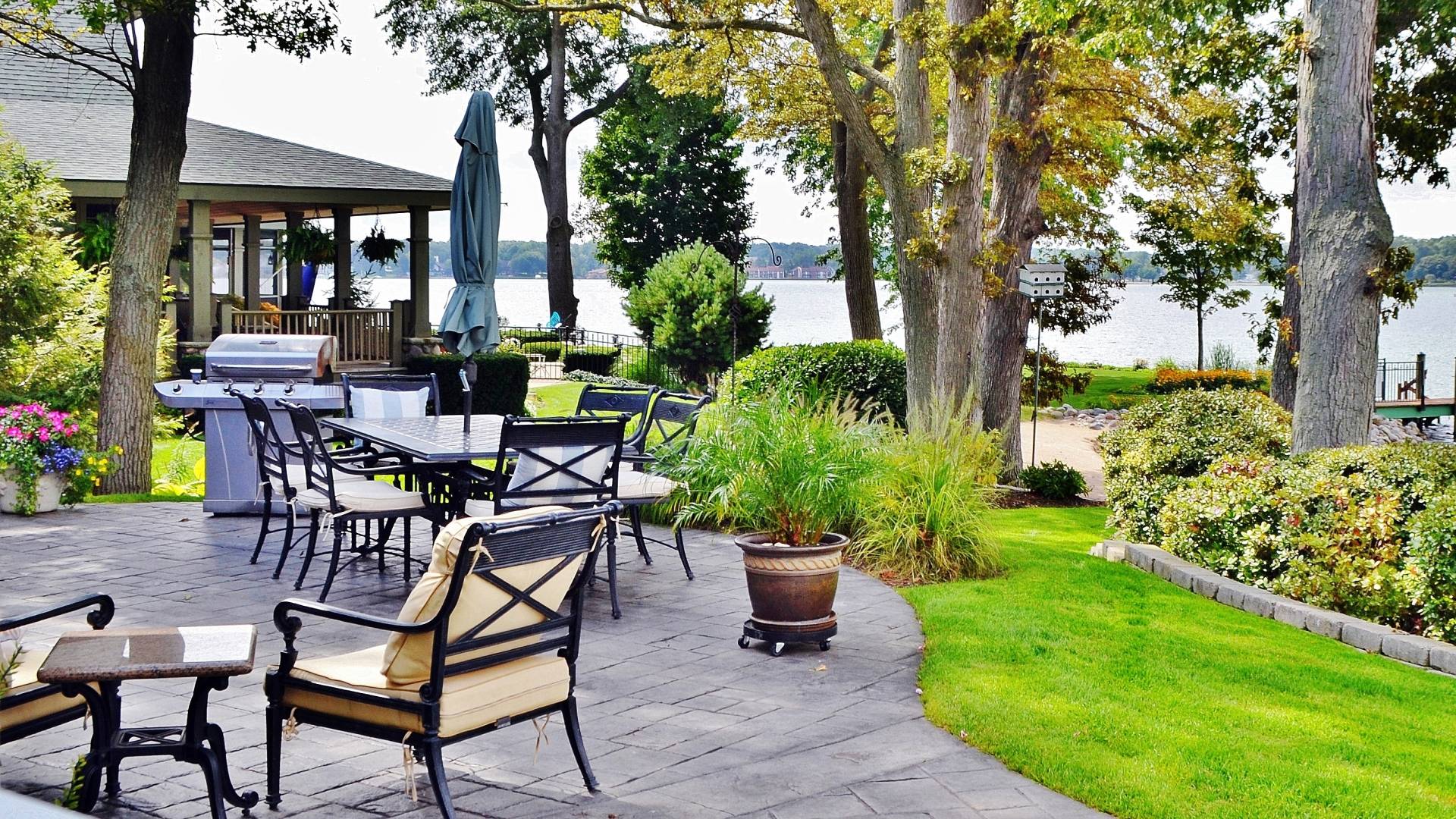
A patio gives you a stable place to eat, relax, and host guests. It also helps reduce muddy areas near doors.
Plan for:
enough room for chairs to slide back without hitting steps or railings
a clear path from the house to seating and grill zones
shade options, such as pergolas or planting, if the area gets full sun
If you want a patio that feels natural with the rest of the yard, it helps to connect the hardscape layout with the landscape design early.
2. Walkways and entry paths
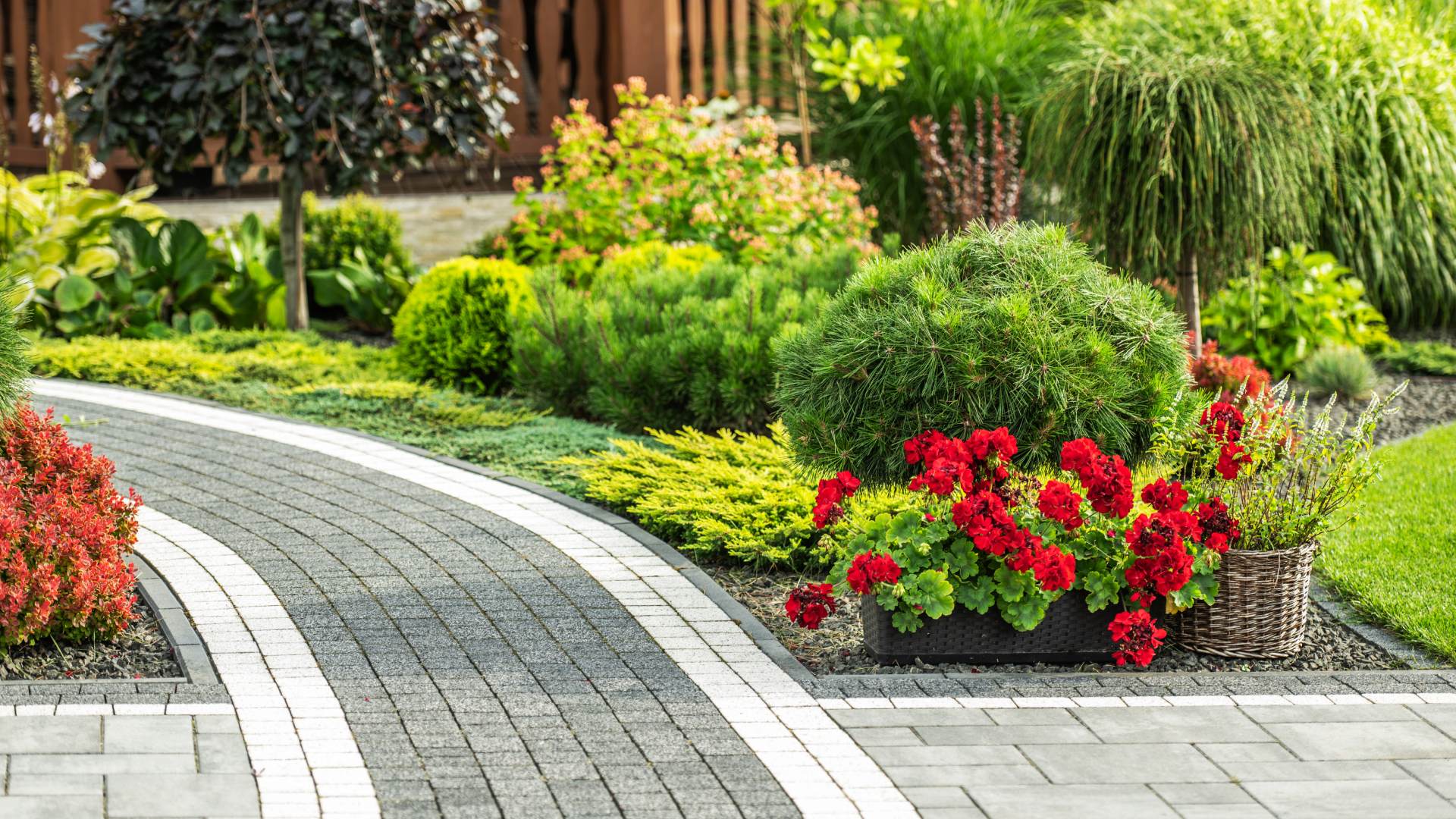
Walkways guide movement and reduce wear on lawn areas. They also improve safety, especially where the ground.
Plan for:
traction in shade and after rain
widths that feel comfortable when two people walk side by side
clean transitions at steps, driveways, and landings
lighting for step edges and corners
3. Retaining walls and grade changes
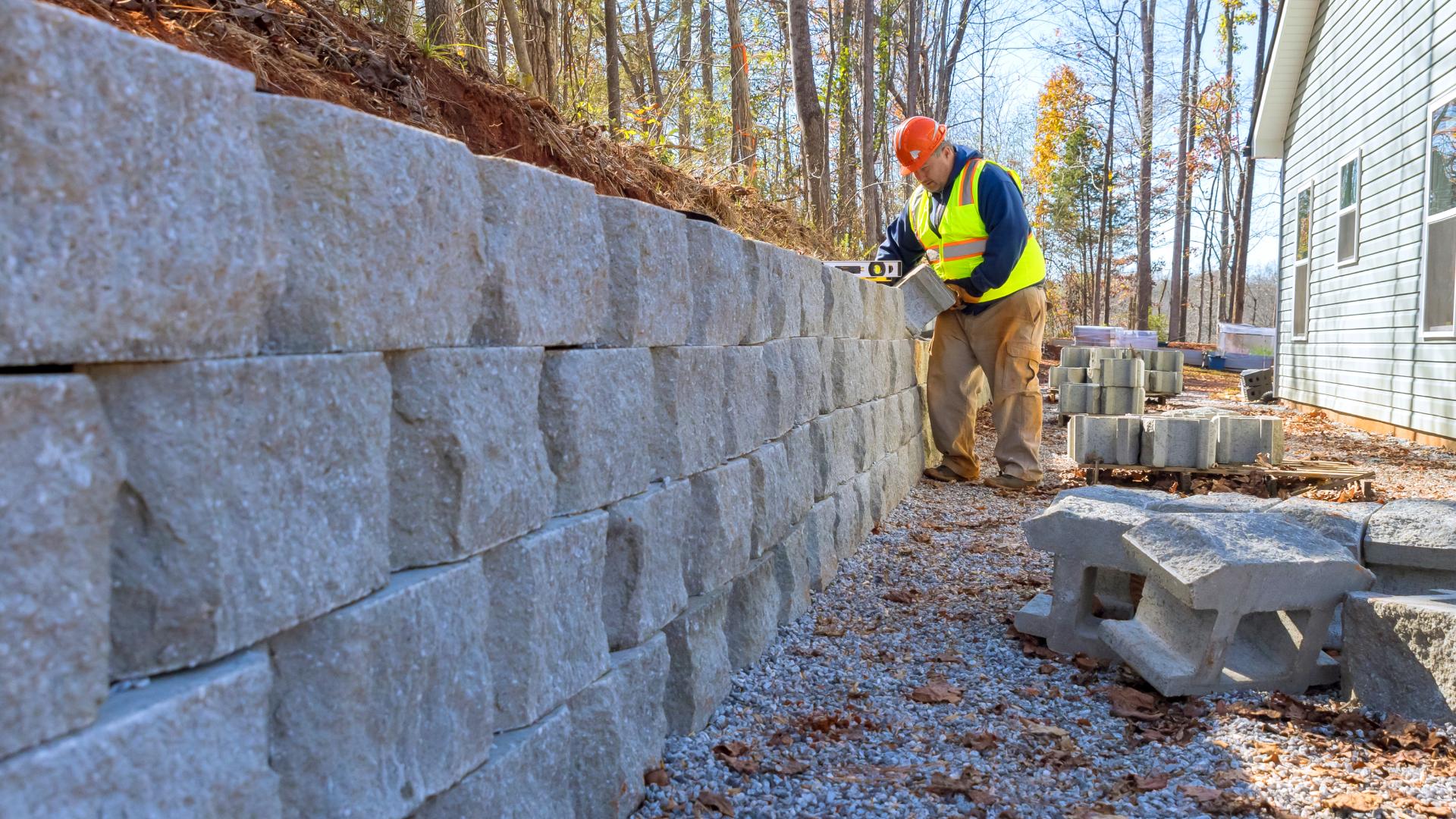
Retaining walls help when your yard slopes or when you need a flatter area for a patio. They can also protect planting beds and reduce erosion.
Plan for:
drainage behind the wall to reduce pressure
safe height and stable base construction
how the wall will connect to steps and paths
This is a common project in hilly parts of Marietta and nearby areas where grade changes are part of the lot.
4. Steps, landings, and transitions
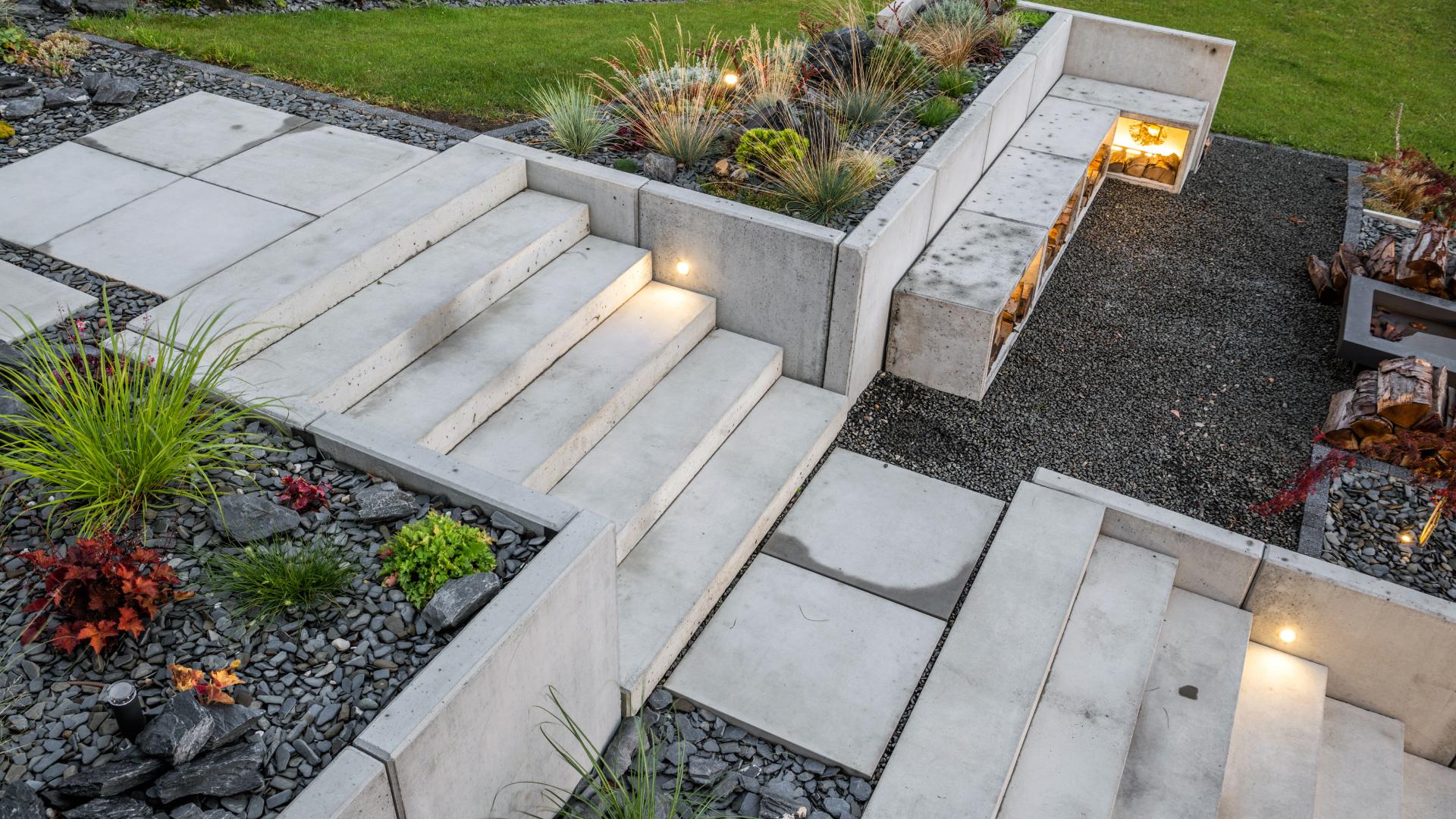
Steps and landings often make the biggest difference in how safe the yard feels. They also affect how easy it is to move furniture, grills, or tools.
Plan for:
consistent step height and depth
clear landing areas at doors and turns
handrail needs where grade changes are steep
5. Fire features and gathering points
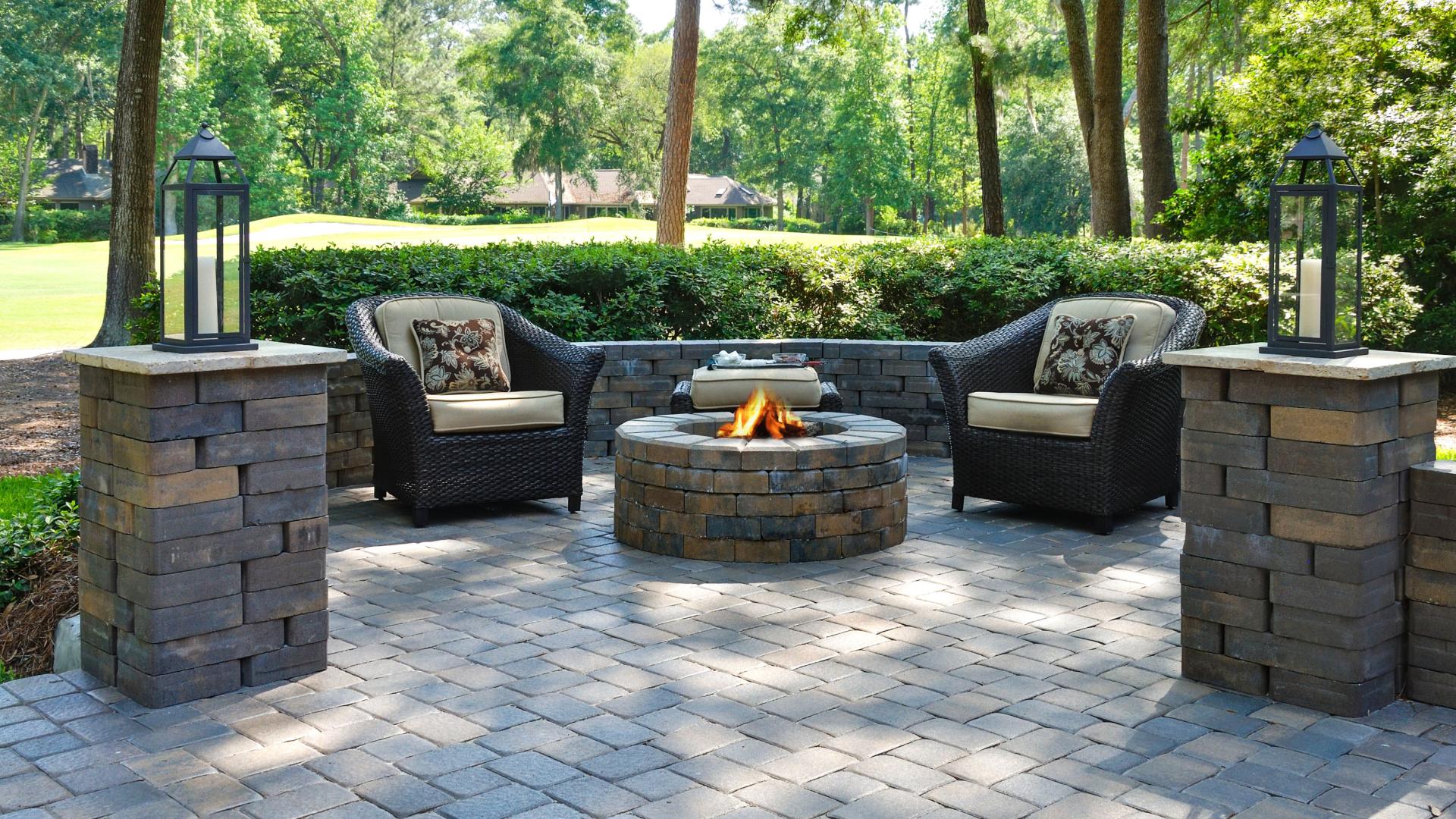
A fire feature can turn a patio into a space you use more months of the year. Keep it sized for how many people you actually host.
Plan for:
enough space for seating and walking around the feature
wind direction and smoke comfort
surface materials that handle heat safely
6. Water features as a focal point
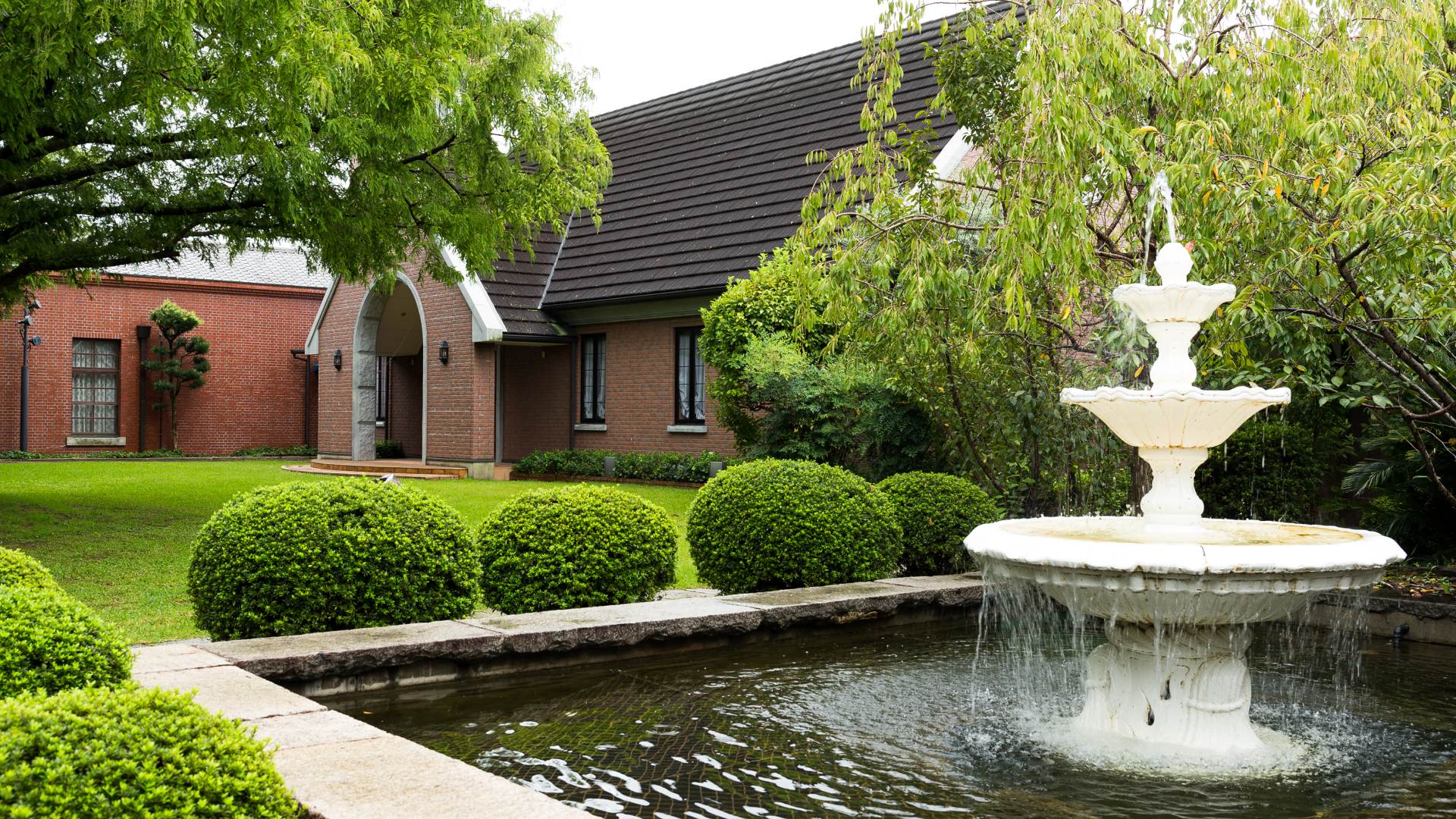
Water features can add a calm focal point near seating or along a garden path. They also work well when tied into hardscape edges and lighting.
Plan for:
where you want the sound to be heard most
access for maintenance and repairs
how water will drain away from the hardscape surface
Next, you will see hardscape design tips that help you avoid expensive rework and make your yard easier to use.
Hardscape Design Tips That Prevent Expensive Rework
Most hardscape problems come from decisions made before installation starts. A few planning steps can help you avoid surfaces that feel cramped, collect water, or do not match how you live.
Start with how you use the yard
Begin with routines, not materials.
Where do you enter the yard most often?
Do you host guests or keep it quiet and simple?
Do kids or pets need open space for play?
Will you grill weekly, or only a few times a year?
Your answers should shape the size and location of patios, paths, and gathering areas.
Plan drainage before you pick materials
Drainage affects long-term stability. If water sits under a patio, it can lead to settling and uneven joints.
Do a quick check:
Where does water flow during heavy rain?
Do downspouts send water toward the patio area?
Are there low spots that stay damp longer than the rest of the yard?
A good design often redirects water before it reaches the hardscape surface.
Build zones, not one big surface
Many homeowners get better results by creating zones instead of one large slab.
seating zone that feels comfortable and finished
cooking zone near the grill with easy cleanup
clear walking route that stays out of furniture traffic
This approach often makes a yard feel larger and more usable.
Choose materials for heat, slip, and cleaning
Materials should match conditions.
In full sun, surface temperature can affect comfort.
In shade, traction matters more because surfaces dry more slowly.
Near-grill placement, stain resistance, and ease of cleaning matter more than color.
Keep maintenance realistic
Choose a hardscape you will actually care for.
If you prefer low upkeep, avoid designs that trap leaves and debris.
If you do not want frequent cleaning, plan fewer tight corners and deep joints.
If you want to plant near patios, plan the edges so mulch and soil stay off hard surfaces.
If you want clarity before installation, Higginbotham Designs can help with landscape design and hardscape installation so you can confirm layout, grade, drainage, and transitions before work begins.
Top Trending Hardscaping Ideas for 2026
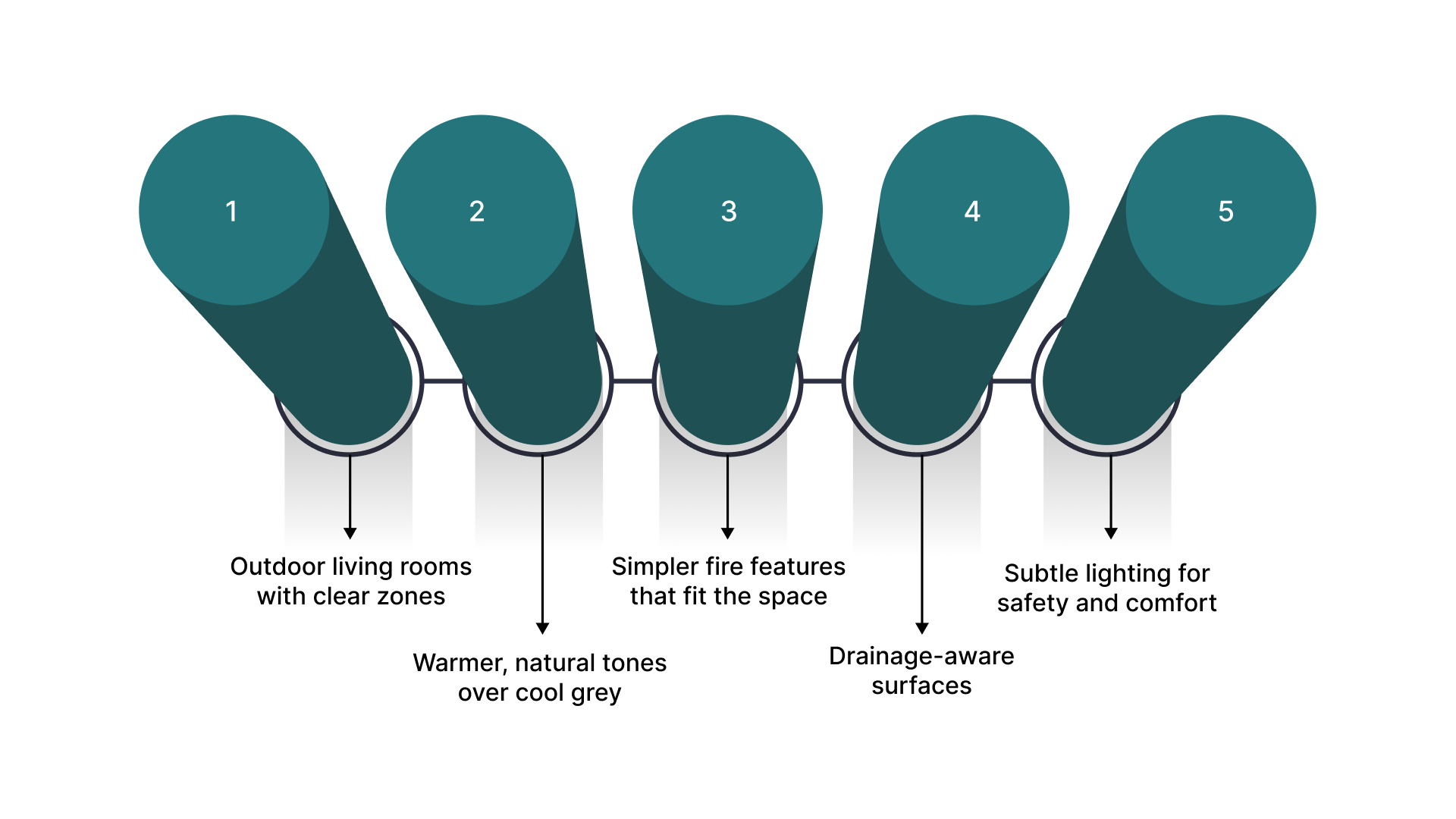
Trends are useful when they solve real problems in your yard. The best hardscaping trends for 2026 focus on comfort, low maintenance, and spaces you will actually use on a normal weekday.
1. Outdoor living rooms with clear zones
Instead of one large patio, more homeowners are choosing zones.
a dining area near the house
a seating area with a fire feature
a clear walkway that stays out of furniture traffic
This layout often feels more natural and easier to use.
2. Warmer, natural tones over cool grey
Stone-like textures and earthy color blends are becoming more common. They can match brick homes and traditional exteriors common in Marietta-area neighborhoods.
3. Simpler fire features that fit the space
Oversized built-ins can take over a yard. A right-sized fire pit area with safe clearances often feels more practical and easier to maintain.
4. Drainage-aware surfaces
More homeowners are prioritizing runoff control. Permeable options and better grading plans can help reduce puddles and washout near patios and walkways.
5. Subtle lighting for safety and comfort
Lighting that supports steps, edges, and corners is trending because it helps with daily use. It also makes outdoor spaces feel calmer at night.
If you want to use trends without regret, filter ideas through your yard’s slope, water flow, and maintenance comfort level. Higginbotham Designs can help you plan outdoor living spaces and hardscaping that fit your lot and daily routine.
Is Hardscaping Worth it?
Hardscaping is usually worth it when it solves a clear problem you feel every week. It can add usable space, reduce muddy areas, and make your yard easier to move through.
It can also support curb appeal when design and installation are done with the full yard in mind.
Hardscaping tends to be worth it when:
you want a patio you will use for meals, relaxing, or hosting
your yard has slope, erosion, or drainage issues that limit how you use it
walkways and steps feel unsafe, uneven, or hard to navigate
you want cleaner transitions between the house, yard, and garden areas
It may not feel worth it when:
water management is ignored, and the surface settles later
the space is built too small to use comfortably
the feature does not match how you live, so it sits unused

A design-first plan helps you pick the right projects and avoid overbuilding. If you want an on-site view of options, Higginbotham Designs can guide the scope and handle hardscape installation that fits your yard and budget.
Common Hardscaping Mistakes to Avoid
Hardscaping lasts longer when it is planned as a system, rather than as a surface. These mistakes are common, and they often lead to rework later.
Skipping drainage and base preparation: Water and soil movement can cause settling, low spots, and loose edges.
Building a patio that is too small: A tight patio looks fine on paper, but it feels crowded once furniture is in place.
Placing steps and paths without safe widths and lighting: Narrow paths and dark corners can increase trip risk, especially near doors and grade changes.
Overbuilding one feature that takes over the yard: Large built-ins can reduce usable lawn or planting space and make the yard feel harsh.
Leaving no room for planting and shade: Without soft landscaping, hardscape-heavy yards can feel hot, bright, and harder to enjoy.
Higginbotham Designs: Hardscaping Built for Marietta-Area Yards
Hardscaping choices work best when they match your yard’s grade, drainage, and how you use the space.
In Marietta and nearby areas, slope and water flow can change what holds up well over time. A design-first approach helps you plan the right layout, then install it with the right foundation.
Higginbotham Design can help with:
Hardscape installation for patios, walkways, steps, and transitions
Custom patios and outdoor living spaces built around daily use
Retaining walls for slopes and level changes
Landscape design to connect hardscape with planting and grading
Water features that pair well with patios and gathering zones
Service area: Marietta, GA; East Cobb, GA; West Cobb, GA; Kennesaw, GA; Smyrna, GA; Roswell, GA; Acworth, GA.
Next step
Before you commit to a hardscaping project, take a few simple steps.
Measure your space and note slopes, steps, and drainage paths.
List your priorities, such as safer access, more seating space, or lower maintenance.
Then schedule an on-site review to confirm layout, base needs, and water flow.
In Marietta-area yards, these details can change what works best over time.
Higginbotham Designs can help you plan and install hardscaping that fits your yard and daily use.
Request a quote to get clear next steps and an estimate built around your space.
FAQs
What is the difference between hardscaping and landscaping?
Hardscaping includes built features like patios, walkways, and walls. Landscaping includes plants, lawn, and garden beds. Both work best when planned together.
What hardscaping adds the most to day-to-day use?
Patios and clear walkways usually add the most value because they create usable space and safer movement through the yard.
How do you plan drainage for patios and walkways?
Start by observing where water flows during heavy rain. Grading, base depth, and drainage paths should be planned before materials are selected.
What is the lowest-maintenance hardscaping option?
Surfaces with fewer joints, strong edges, and proper base preparation tend to need less ongoing care.
Which hardscaping trends work best for smaller yards?
Zoned layouts, right-sized patios, and simple fire features usually fit smaller spaces better than oversized built-ins.