Backyard You look at your backyard and know it could feel better. Maybe the patio is too small, too exposed, or disconnected from the rest of the yard. Maybe you step out the back door, and there is no clear place to sit, eat, or gather.
A well-planned backyard and patio design fixes that. It gives you defined zones, smoother flow, and a space that feels intentional. In Marietta, slope, sun, and heavy rain also affect what lasts.
This guide offers 10 patio concepts you can build around, along with planning and construction ideas to make the space comfortable and easier to maintain.
Key Takeaways
Define your patio’s purpose: Whether it's for daily coffee, dining, or hosting, the intended use dictates the size and layout, plan accordingly.
Use the 3-zone method: Designate a main seating zone, a support zone for grills, and a green zone for privacy to keep your space organized and functional.
Plan for Marietta's climate: Ensure your design accounts for sun exposure, slope, and heavy rainfall, with drainage incorporated from the start.
Select materials based on function: Prioritize pavers with good traction for walkways and those that won’t retain heat in sunny areas for seating zones.
Higginbotham Designs guides you in creating a cohesive patio layout that integrates with your yard’s natural slope, drainage, and sunlight.
Start With a Back Patio Plan That Fits How You Use The Yard
Before you choose materials or shapes, decide how you actually use your backyard. A strong back patio plan starts with purpose, not pavers.
1. Define the purpose
Do you want daily coffee space, weekend hosting, family dinners, or a quiet lounge corner? Your main activity determines patio size and layout.
2. Clarify your aesthetic direction
Do you prefer a traditional, modern, rustic, or covered patio feel? This helps you avoid mixing too many styles later.
3. Map the space and layout
Start at the backdoor patio connection. Think about how you walk from the door into the yard. Avoid placing seating where people naturally pass through.
Use a simple three-zone approach:
Zone | Purpose | Must-haves | Common mistake |
Main patio zone | Seating or dining | Stable surface, clear layout | Too small for furniture |
Support zone | Grill or serving area | Easy access from the door | Blocking walk paths |
Green zone | Soft edges and privacy | Layered planting | Overcrowding patio edge |
When you plan the zones first, your backyard and patio designs feel cohesive rather than random.
10 Backyard and Patio Designs You Can Build Around
Use these concepts as complete layouts, not isolated upgrades. Each one connects the patio to the backyard so the space feels finished.
Every idea includes a layout direction, a material feel, a backyard tie-in, and one build note that helps it hold up in Marietta conditions.
Idea 1: Backdoor “daily patio”
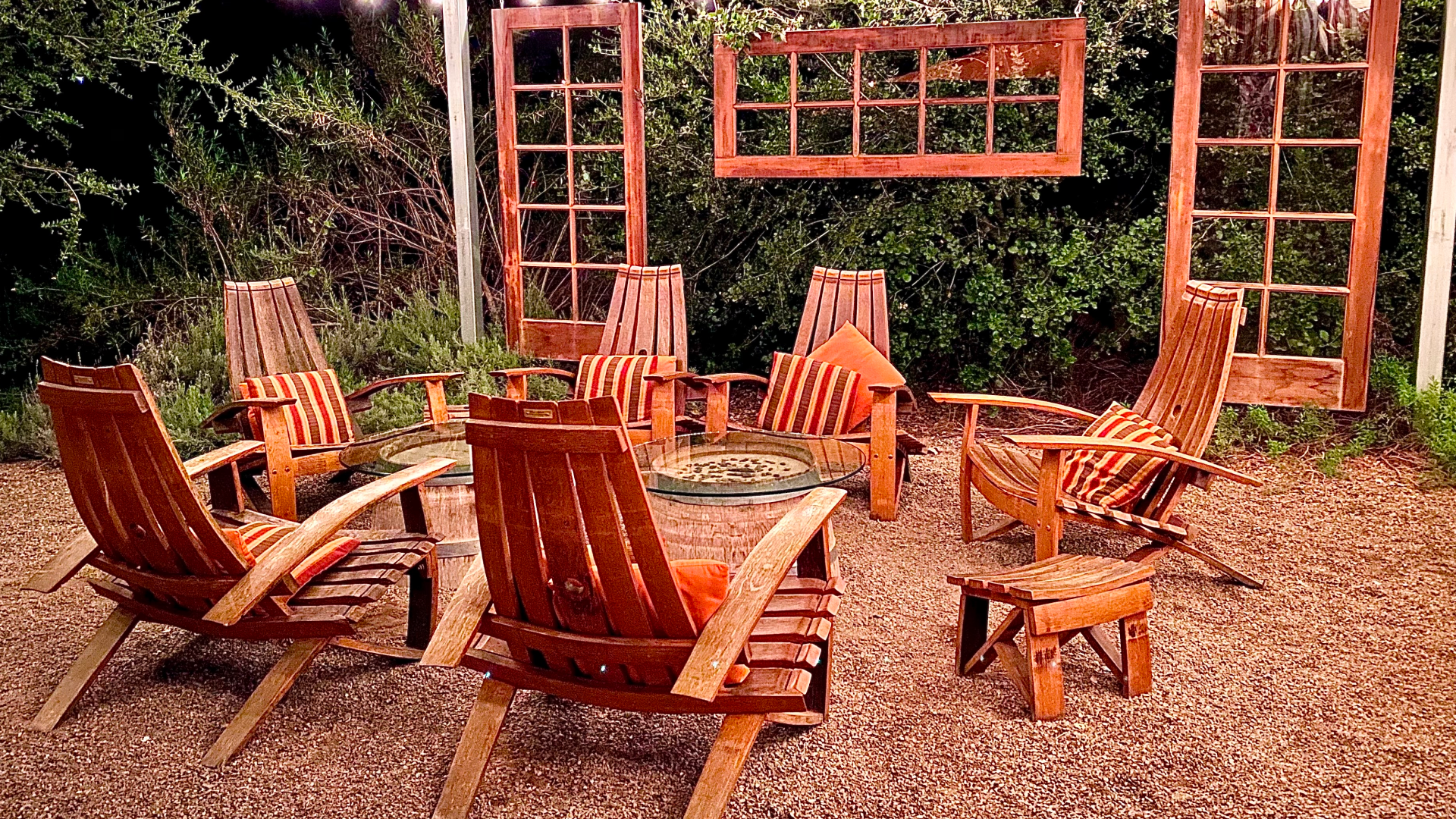
Best for: Small to mid-size yards where you want a space you use every day.
Layout idea: Build a compact patio directly off the back door, then connect it to the yard with one clear path.
Materials look: Simple pavers or textured concrete that stays stable under chairs.
Backyard tie-in: Add a planted edge on one side for softness and privacy without crowding the door area.
Build note: Plan drainage away from the foundation so water does not collect near the threshold.
Idea 2: Lounge + dining split patio
Best for: Families who host or want separate “eat” and “relax” zones.
Layout idea: Create two zones on one continuous surface, with the dining area closer to the back door and the lounge area set farther out.
Materials look: A consistent surface with a subtle border or band to separate zones.
Backyard tie-in: Use planting or a low feature wall to define the lounge area and add a finished edge.
Build note: Leave a clear walking lane between zones so the patio does not feel crowded.
Idea 3: L-shaped patio that frames the yard
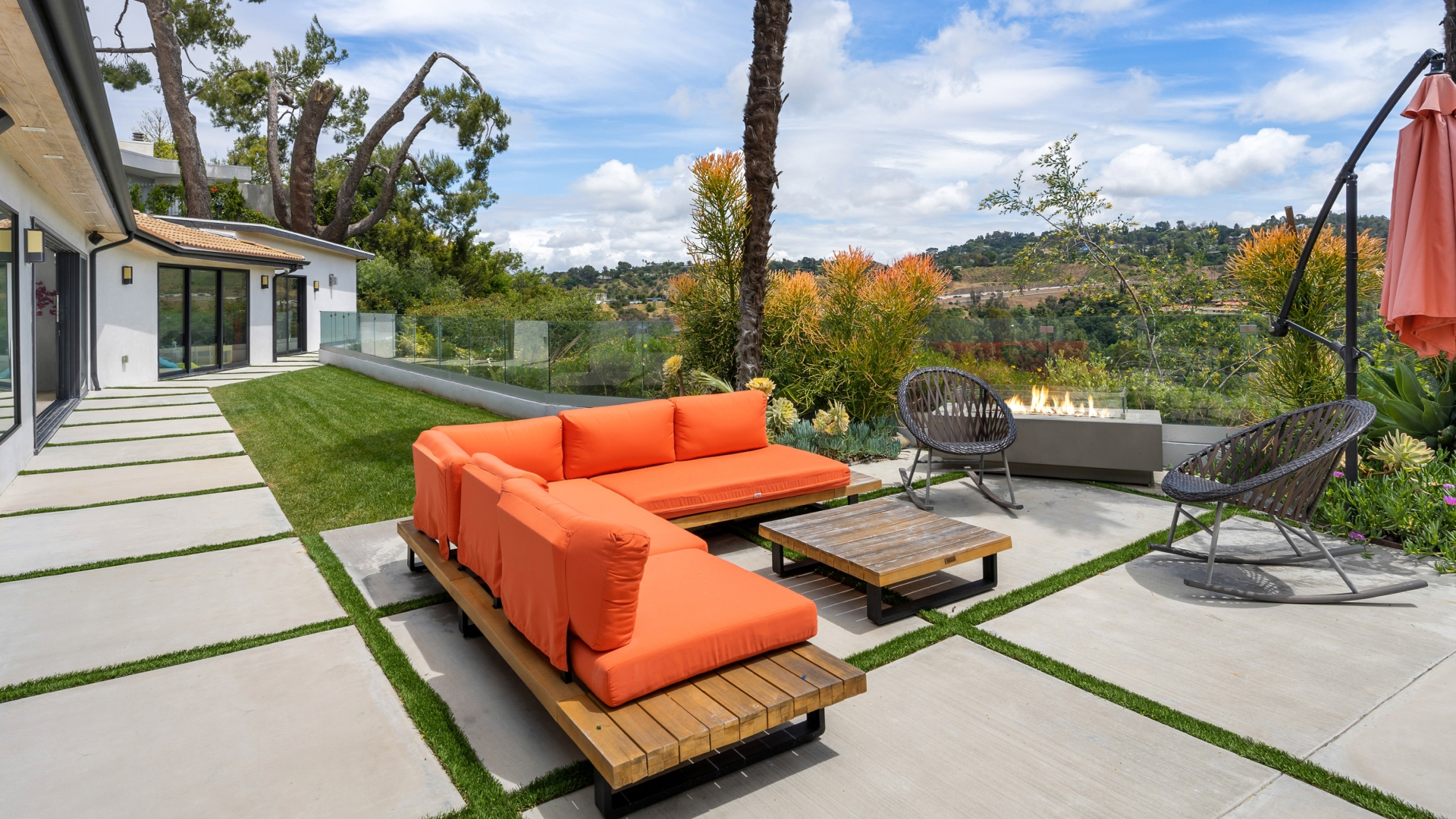
Best for: Wider backyards where you want the patio to feel like a defined outdoor room.
Layout idea: Build an L shape off the backdoor patio area so one leg supports dining and the other supports lounging. The open center stays as a lawn or garden space.
Materials look: Pavers or stone with a clean border to keep the shape crisp.
Backyard tie-in: Use the inside edge of the L for layered planting or a low privacy screen so the patio feels sheltered, not exposed.
Build note: In Marietta yards with slope, the L layout often needs careful grading so both legs stay level and drain correctly.
Idea 4: Floating patio with a path connection
Best for: Yards where the best view or shade is away from the house.
Layout idea: Place the patio deeper in the yard, then connect it to the back door with a simple walkway. This makes the patio feel like a destination, not an afterthought.
Materials look: A defined shape, such as a rectangle or circle, with a contrasting border to make it feel intentional.
Backyard tie-in: Add a privacy backdrop using shrubs or a screen wall so the space feels finished from every angle.
Build note: Plan lighting along the path so you can use the space safely after dark.
Idea 5: Pergola patio room
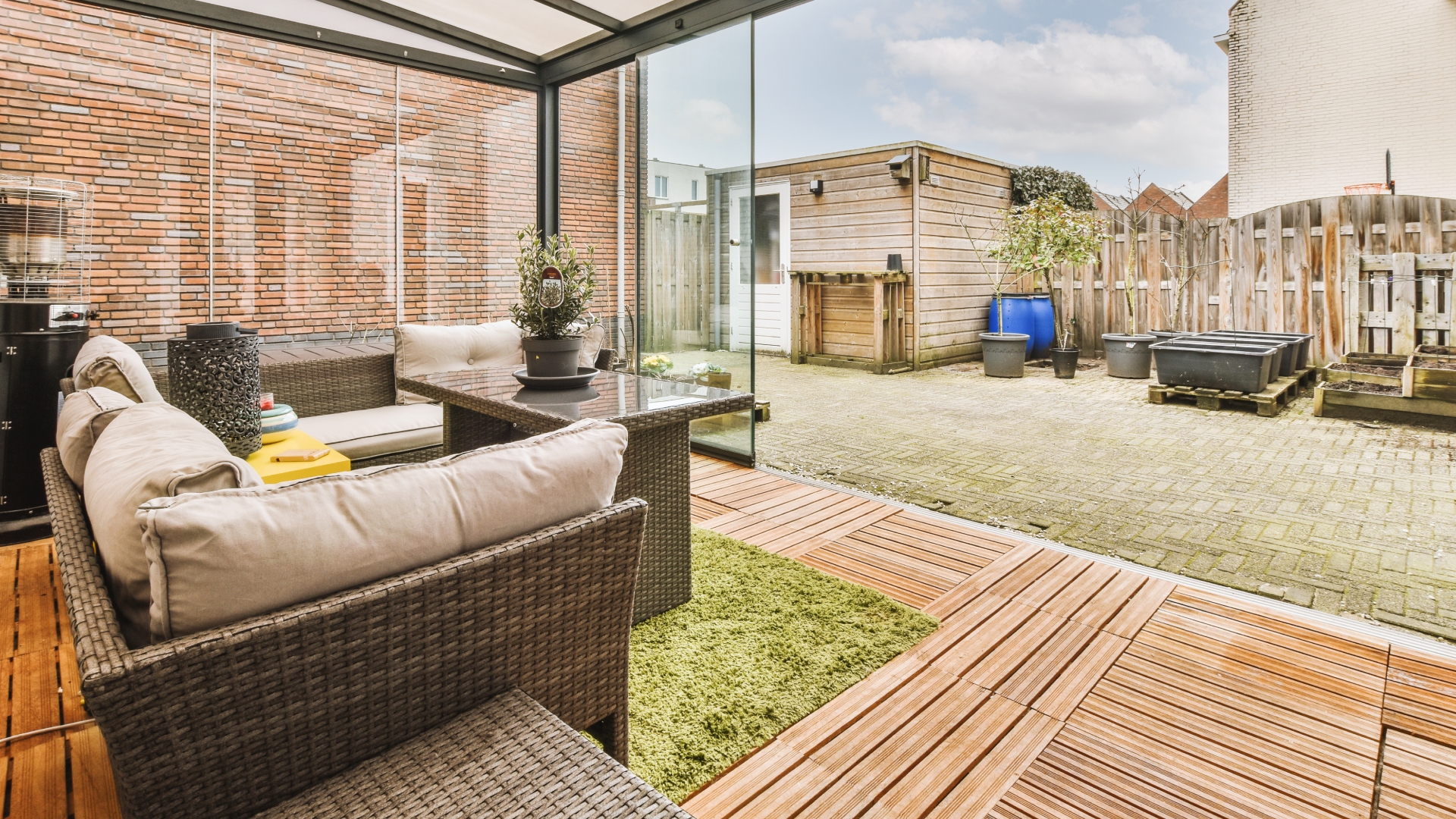
Best for: Full-sun backyards where you want shade without enclosing the space.
Layout idea: Build a patio sized for seating or dining, then add a pergola over the main zone. Keep a clear, open strip for movement around furniture.
Materials look: Warm-toned pavers or stone that pair well with wood or dark metal pergola finishes.
Backyard tie-in: Use planting at the pergola posts to soften the structure and add privacy at the edges.
Build note: A pergola changes how water and shade fall on the patio, so drainage and surface traction should be planned early.
Idea 6: Modern minimal patio with warm materials
Best for: Homeowners who want a clean look without making the yard feel cold or bare.
Layout idea: Use a simple rectangle or large square off the back door, then keep the edges straight and uncluttered. Add one defined lounge zone and one clear path into the yard.
Materials look: Large-format pavers or smooth-textured concrete in warm tones, with one contrasting border line for structure.
Backyard tie-in: Use block-style planting beds with repeated plant groups instead of many different plant types. This keeps the look calm and easy to maintain.
Build note: Straight lines show settling quickly, so base prep and edge restraint need to be done correctly.
Idea 7: Garden-edge patio
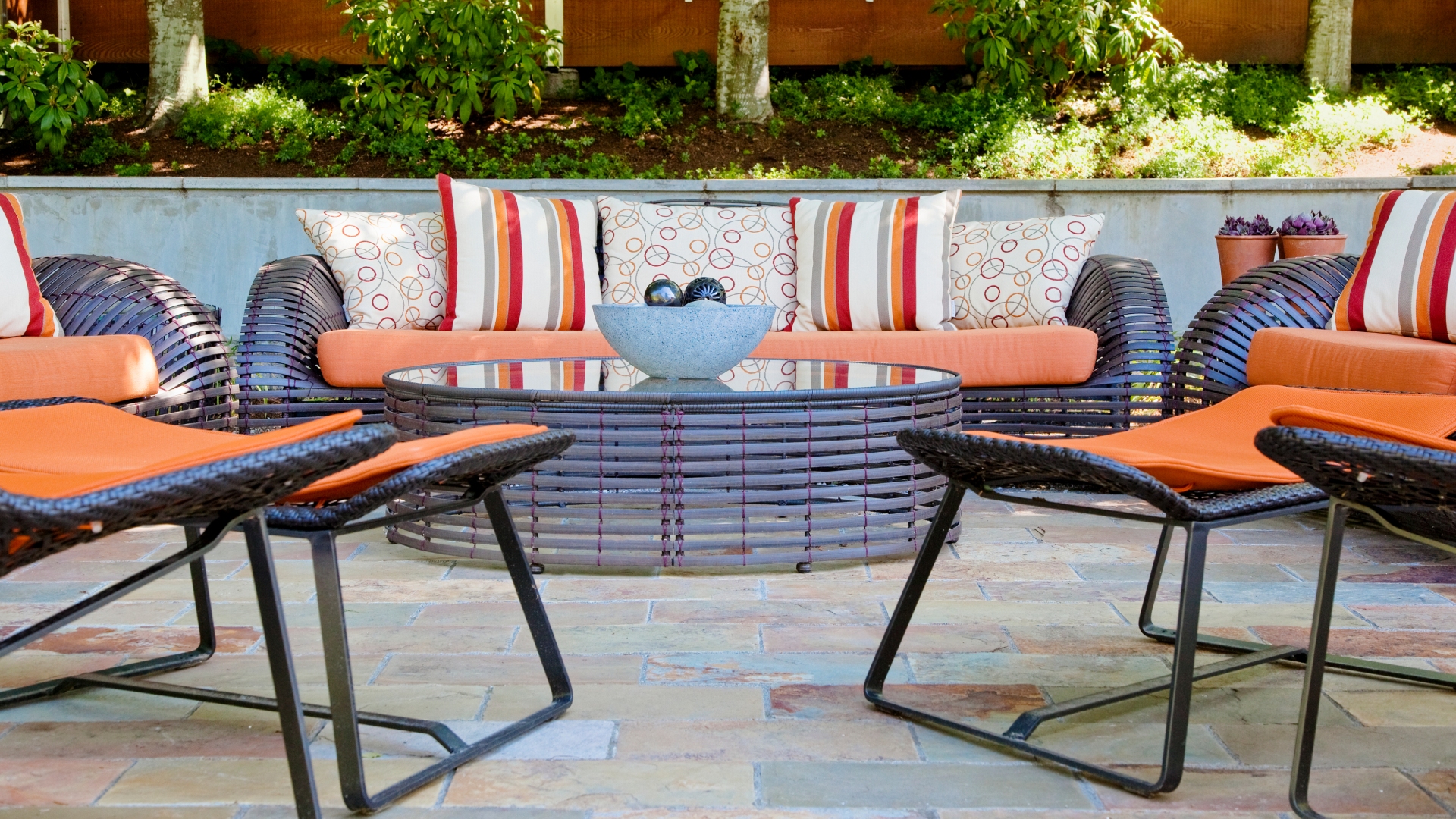
Best for: Yards where you want the patio to feel softer and more connected to planting.
Layout idea: Place the patio along the edge of a garden bed so one side feels framed by green space. Keep the backdoor connection simple and direct.
Materials look: Brick-style pavers or warm stone that suits traditional homes and garden-heavy landscapes.
Backyard tie-in: Use layered planting to create privacy and a “finished” backdrop, then keep the patio side clean with a crisp edge so mulch stays contained.
Build note: Plan for easy cleanup along the garden edge so soil and leaves do not collect on the patio surface.
Idea 8: Fire feature patio corner
Best for: Homeowners who want a focal point without the fire feature taking over the whole patio.
Layout idea: Place the fire feature in a corner of the patio, then orient seating toward it while keeping a clear walking route behind chairs.
Materials look: Pavers or stone with a dedicated fire zone border, so the feature looks planned and not dropped in.
Backyard tie-in: Add a privacy screen, planting, or a low wall behind the seating to reduce exposure and make the corner feel intentional.
Build note: Fire features work best when spacing and surface choice are planned first, especially on lots where wind can shift smoke toward the home.
Idea 9: Pool-adjacent patio extension
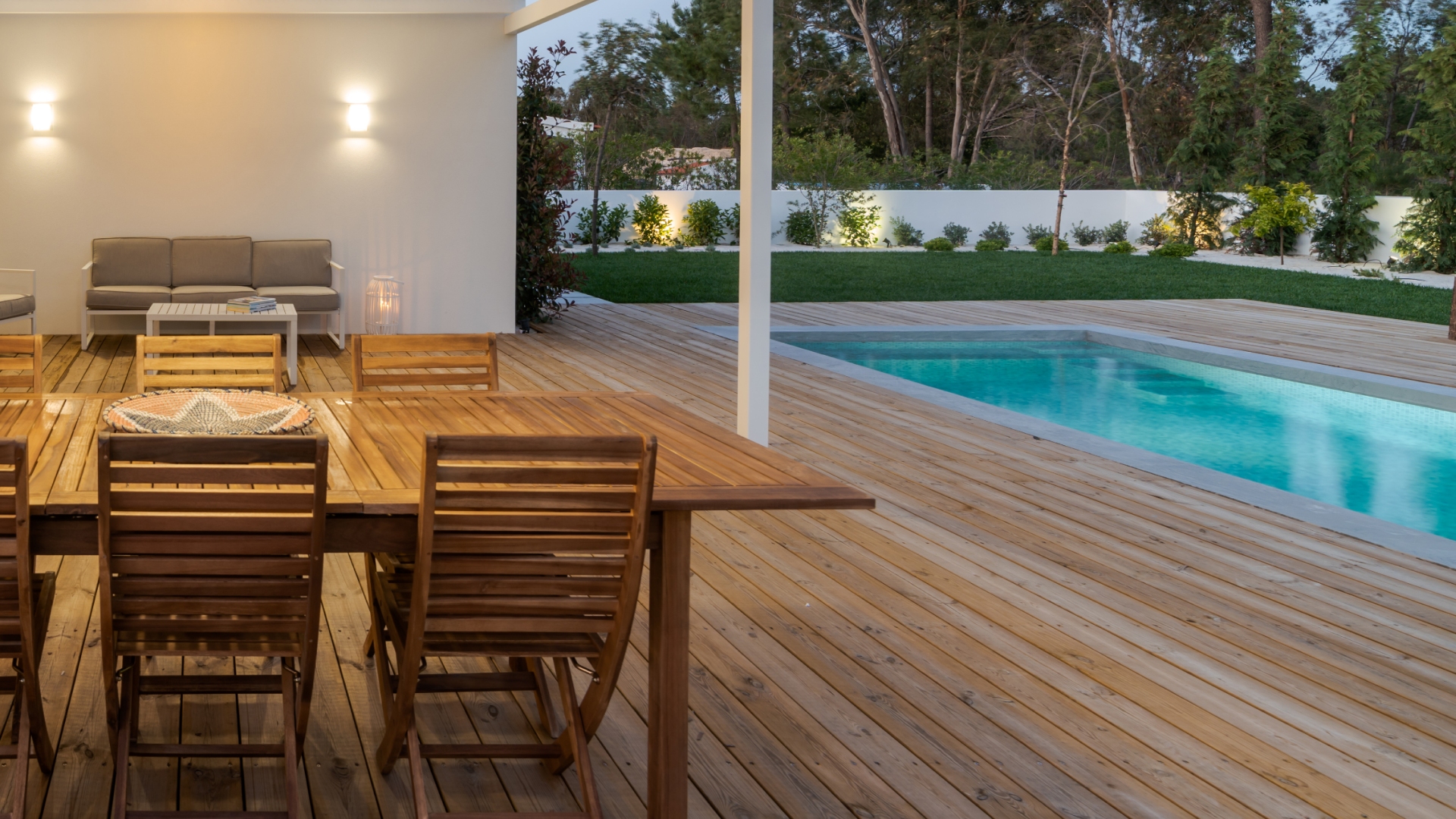
Best for: Homes where the pool area feels disconnected from the rest of the backyard.
Layout idea: Extend the patio to create a transition zone between the back door, the pool path, and seating. Keep the main seating zone out of the splash and wet-walk area.
Materials look: A slip-resistant surface with a clear border so wet zones and dry zones feel separated.
Backyard tie-in: Add privacy planting and subtle lighting along the route to the pool so the space feels usable in the evening.
Build note: Plan drainage carefully so water does not flow back toward the house or collect near the seating edge.
Idea 10: Multi-level patio for sloped yards
Best for: Marietta-area lots where the backyard drops away or feels uneven.
Layout idea: Create two levels: an upper level near the backdoor patio for dining, and a lower level for lounging or a fire feature. Connect them with wide steps and a landing.
Materials look: Matching pavers or stone across both levels, with a consistent coping or border detail so the design feels unified.
Backyard tie-in: Use a retaining wall as a seat wall or planting wall to soften the grade change and add structure.
Build note: This concept depends on correct wall design, drainage behind the wall, and solid base prep so levels stay stable over time.
If you want one of these concepts to feel cohesive from day one, Higginbotham Designs can design the full backyard and patio layout and handle hardscape installation, custom patios, retaining walls, and landscape design so the space works as one plan.
Patio Construction Ideas That Affect Comfort and Maintenance
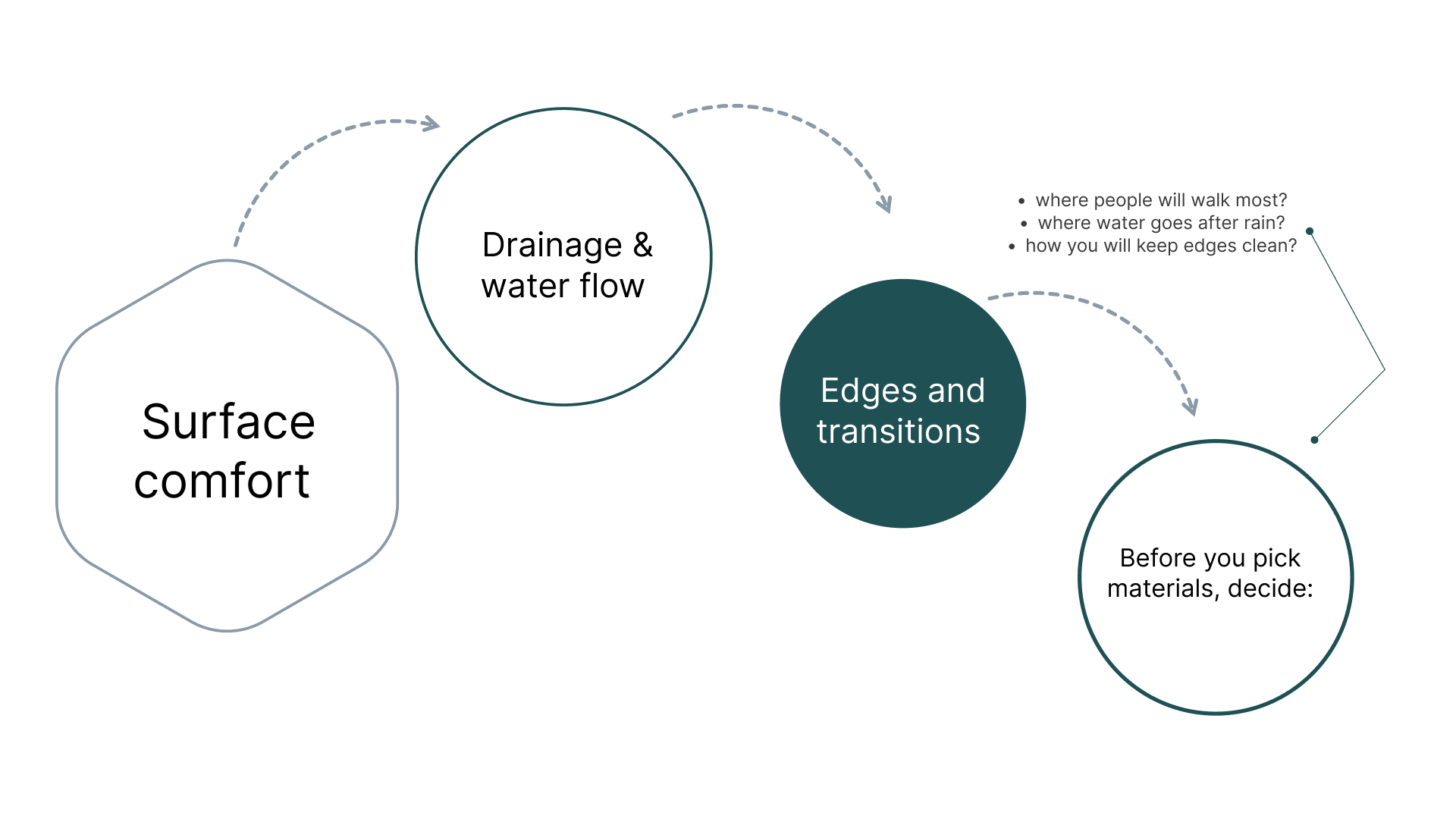
Patio construction choices affect how the space feels and how much effort it takes to keep it clean. Even great backyard patio designs can disappoint if these basics are missed.
Surface comfort
Think about heat and traction. Some surfaces get hot in full sun. Others can feel slick when shaded and damp. Also consider furniture stability. A patio should not rock chairs or tables.
Drainage and water flow
A patio in backyard areas should move water away from the house and away from the main seating zone. Downspouts and roof runoff often decide where water collects, so it helps to plan these routes early.
Edges and transitions
Crisp edges keep mulch and soil out of the patio. Transitions matter too. Steps and landings should feel safe and consistent, especially at a backdoor patio where people walk in and out often.
Before you pick materials, decide:
where people will walk most?
where water goes after rain?
how you will keep edges clean?
For Marietta-area yards, Higginbotham Designs can evaluate grade and drainage during a consultation, then install the patio and connecting hardscape so it holds up and stays easier to maintain.
Marietta Realities That Change Patio Design Choices
Backyard and patio designs in Marietta need to handle sun, slope, and storm runoff. These factors often decide which layouts hold up best.
Slope and heavy rain: Many yards move water fast during storms. If the patio is placed without a drainage plan, water can collect near the back door or wash soil onto the surface.
Sun exposure: Some patios get full sun for hours. Shade should be planned where you sit, not only where it looks balanced from inside the house.
Red clay and settling: Clay soil can shift with moisture changes. A strong base and clean edge restraint help reduce settling and uneven spots.
HOA and permit factors: Covered structures, walls, and major grade changes can involve approvals. It helps to confirm requirements before finalizing a plan.
If you want a local plan that fits your yard conditions, Higginbotham Designs can guide the design and install the patio, retaining walls, and landscape features as one cohesive project.
Higginbotham Designs: A Marietta Team for Backyard Patios That Feel Finished
If you are investing in a backyard patio, you want more than a nice surface. You want a layout that fits how you live, handles drainage, and connects cleanly to planting and walk paths.

With Higginbotham Designs, you work with a Marietta, Georgia-based team that is family-owned and veteran-owned, with 35+ years of experience and BBB accreditation. That combination helps you feel confident when the project is a major upgrade.
Services you can use for a patio and backyard project
Landscape design that connects patio edges with planting and privacy.
Hardscape installation and custom patios built for comfort and long-term stability.
Retaining walls for sloped yards and clean level changes.
Outdoor living spaces and water features make the patio feel complete.
When you want your patio and backyard to feel like one cohesive outdoor space, a design-first approach helps you avoid rework and get cleaner results from the start.
Conclusion
A backyard patio works best when it matches how you use the space and how your yard behaves after rain and heat. Start with one clear concept, then plan zones from the back door outward so seating, grilling, and planting edges do not compete.
Keep comfort in mind with traction, shade, and lighting, and build in clean transitions so the patio feels connected to the rest of the yard.
In Marietta, slope and storm runoff can change what lasts, so drainage planning is part of good design.
If you want a patio plan you can trust and a finished install, contact Higginbotham Designs to discuss landscape design, custom patios, and hardscape installation for your home.
FAQs
1. How big should a back patio feel for daily use?
It should fit your main activity first. Plan enough space for chairs to move and a clear walking lane.
2. Where should a patio sit if your yard slopes?
Often, the best spot is where you can manage drainage and create a stable base. Multi-level patios can work well on sloped lots.
3. What patio layout works best off a back door?
A direct main zone off the door with a clear support zone for grilling works well for daily use.
4. How do you keep a patio from feeling exposed?
Use layered privacy planting, a screen wall, or a pergola zone. Avoid blocking every side so airflow stays comfortable.
5. What is the simplest way to connect patio and yard?
A defined path and a clean planting edge make the transition feel intentional.
6. What causes patio edges to look messy over time?
Weak edging, mulch washout, and poor drainage. Crisp borders and correct grading help reduce this.