Introduction
Picture a garden where greenery cascades from shade trees down through flowering shrubs to groundcovers that soften every edge—blooms shifting color through the seasons, shaded corners inviting quiet reflection. That kind of balance doesn't happen by accident.
Many Marietta homeowners struggle to achieve this vision. Despite good hardscape bones—solid patios, well-built retaining walls, clean walkways—yards often feel incomplete. The gap is usually softscape: knowing which plants to choose, how to arrange them, and how to keep them healthy through Georgia's long, humid summers and mild winters.
This guide covers softscape fundamentals—what it is, which elements matter most, plant selection advice tailored to Georgia's Zone 7b–8a climate, and how to blend living elements with hardscape for a landscape that works year-round.
TLDR:
- Softscape = all living elements: trees, shrubs, flowers, grasses, soil, and mulch
- Layer plants from tall to short for depth; repeat key species for cohesion
- Pick heat-tolerant, clay-adapted plants: Oakleaf Hydrangea, Zoysia grass, Black-eyed Susan
- Balance softscape with hardscape to soften edges and create visual warmth
- Soil prep and mulching are essential starting points for Georgia clay
What Is Softscape Landscaping?
Softscape refers to all the living elements of a landscape—trees, shrubs, flowers, grasses, groundcovers, soil, and mulch. It's the ever-changing counterpart to hardscape (patios, walls, walkways, driveways). While hardscape provides structure and defines outdoor spaces, softscape brings color, texture, seasonal interest, and life.
Permanent vs. Seasonal Softscape
Well-designed gardens use both permanent and seasonal elements:
- Permanent softscape: Mature trees, established shrubs, and evergreens that provide year-round structure, privacy, and visual weight. These anchor your design through every season.
- Seasonal softscape: Annuals, perennials, and seasonal groundcovers that rotate through the year, delivering bursts of color and texture. They let you refresh your garden's look without starting over.
Done well, softscape design is intentional—every plant selected and placed to create a cohesive outdoor space that evolves beautifully over time.
Key Elements of a Softscape Garden
Trees and Shrubs
Trees and shrubs define the canopy layer, create privacy, provide shade, and anchor the visual weight of a garden. Evergreens like Southern Magnolia or Inkberry offer year-round interest, while deciduous varieties like Red Maple bring seasonal change with fall color and spring blooms.
Flowering Plants and Perennials
Combining perennials and annuals gives you a blooming calendar that runs from spring through fall. Perennials return each year without replanting, while annuals refresh beds each season with new color and fragrance. A well-planned mix might include:
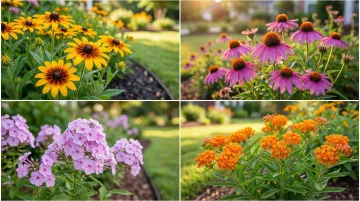
- Coneflower and Black-eyed Susan for reliable mid-summer color
- Salvia and Lantana as heat-tolerant annuals that fill gaps between perennial cycles
- Daylilies for long bloom periods with very little maintenance
Groundcovers and Ornamental Grasses
Groundcovers fill bare soil between larger plants, suppress weeds, and create visual flow across beds. Ornamental grasses add movement, texture, and low-maintenance interest along edges and borders. Switchgrass is a native warm-season perennial that thrives in Georgia's climate and holds up well through summer heat.
Lawn and Turf
The lawn is the green "canvas" that ties together beds, borders, and structures. Turf choice matters in Georgia's climate—warm-season grasses perform best here. Zoysiagrass tolerates shade better than other warm-season options, making it ideal for residential yards with mature trees. Bermudagrass requires full sun but offers excellent drought and traffic tolerance. Centipedegrass is a low-maintenance option but cannot withstand heavy foot traffic.
| Grass Type | Shade Tolerance | Drought Resistance | Traffic Tolerance | Nitrogen Needs |
|---|---|---|---|---|
| Zoysiagrass | Very Good | Good | Good | Low |
| Bermudagrass | Very Poor | Excellent | Excellent | Moderate-High |
| Centipedegrass | Fair | Good | Poor | Low |
Soil and Mulch
Marietta's Cecil-series clay soils are naturally acidic and compact easily, which restricts root growth before a plant ever gets established. Amending with organic compost before planting is the most reliable fix. Incorporate 25% compost or 3 inches of organic material tilled to 10–12 inches deep. Avoid creating distinct soil layers, which trap water and cause drainage problems.
A 2–3 inch mulch layer does a lot of work in a Georgia garden:
- Retains soil moisture through hot, dry summers
- Regulates soil temperature as seasons shift
- Suppresses weeds between plantings
- Gives beds a clean, finished appearance
Keep mulch away from tree trunks and plant stems — direct contact holds moisture against the bark and leads to rot.
Essential Softscape Design Principles
Layering for Depth
Layering creates dimension and visual interest by arranging plants in vertical tiers:
- Background layer (tallest): Trees and large shrubs along fences or walls
- Midground layer (2-5 feet): Mid-height perennials and ornamental plants
- Foreground layer (6 inches-2 feet): Compact shrubs and border plants
- Ground layer (under 6 inches): Groundcovers and turf
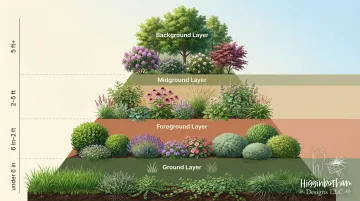
Design from back to front, with a wider base of lower-layer plants to balance the visual mass of tall background plants. This pyramid structure gives the garden a grounded, intentional look.
Color Harmony and Seasonal Interest
Plan a color palette that works across seasons—choose plants that bloom at different times so there's always something flowering. In Georgia's long growing season, think in terms of:
- Spring: Early bulbs, flowering trees
- Summer: Heat-tolerant perennials, annuals
- Fall: Late bloomers, foliage color
- Winter: Evergreen structure, berries
This approach prevents your garden from looking spectacular in June but bare in October.
Scale and Proportion
Plant sizes must relate appropriately to structures and spaces around them. Large specimen trees belong near big homes or open lawns; compact shrubs suit pathways or entries. Avoid placing fast-growing plants too close to foundations or fences—they'll outgrow the space quickly and demand aggressive pruning to stay manageable.
Getting proportion right also reinforces the sense of unity across the yard, which leads directly into how repetition works as a design tool.
Repetition and Rhythm
Repeating the same plant species, color, or texture across different parts of the garden creates unity and prevents a landscape from looking cluttered.
Use "anchor plants" as a cohesion strategy—the same ornamental grass at three corner beds, or the same shrub flanking both sides of a walkway.
Contrast and Texture
Mix fine-textured plants (ornamental grasses, delicate ferns) with bold, broad-leafed varieties (hostas, elephant ears) to create visual contrast. Texture variation adds sophistication even within a limited color palette.
A monochromatic green garden with varied textures feels more dynamic than a multi-colored garden where every plant has a similar leaf shape.
Choosing the Right Plants for Georgia Gardens
Understand Georgia's Climate Zone
Marietta falls within USDA Hardiness Zones 7b–8a, which means long, hot, humid summers and mild winters. This is a distinct growing environment that rewards heat-tolerant, humidity-resistant plants and punishes choices made for cooler northern climates.
Georgia-Friendly Softscape Plant Recommendations
Regionally adapted plants survive Piedmont clay better and require less intervention over time. The table below covers proven performers across common yard conditions:
| Plant | Type | Light | Standout Trait |
|---|---|---|---|
| Oakleaf Hydrangea (Hydrangea quercifolia) | Native Shrub | Part shade | Large white blooms; wine-red fall color |
| American Beautyberry (Callicarpa americana) | Native Shrub | Full sun | Intense purple berries in fall |
| Inkberry (Ilex glabra) | Native Shrub | Sun–part shade | Evergreen; tolerates wet sites |
| Southern Magnolia (Magnolia grandiflora) | Shade Tree | Full sun–light shade | Evergreen; thrives in moist soil |
| Red Maple (Acer rubrum) | Shade Tree | Adaptable | Yellow-to-red fall color |
| Black-eyed Susan (Rudbeckia hirta) | Perennial | Sun–part shade | Blooms early summer through fall |
| Purple Coneflower (Echinacea purpurea) | Perennial | Full sun–light shade | Low maintenance; pollinator magnet |
| Daylily (Hemerocallis spp.) | Perennial | Sun–part shade | Highly adaptable; 1–4 feet tall |
| Switchgrass (Panicum virgatum) | Ornamental Grass | Full sun | Native warm-season; low water needs |
Factor in Soil Conditions
Georgia soils tend to be clay-heavy, which causes drainage problems and root stress. Before planting, amend with organic compost and select species that tolerate clay. Skipping this step is the most common reason plants fail — even when the right species is chosen.
Work with Sun and Shade Patterns
Most residential yards include a mix of full sun, partial shade, and deep shade zones—especially yards with mature trees. Map your yard's light conditions before selecting plants. Full-sun perennials won't bloom in shade, and shade-loving ferns will scorch in direct afternoon sun.
Higginbotham Design has spent 35+ years helping Marietta homeowners match the right plants to each microclimate in their yard — accounting for sun exposure, soil conditions, and realistic maintenance goals.
How Softscape and Hardscape Work Together
Hardscape as the Foundation
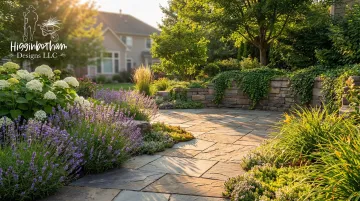
Hardscape sets the structure of the outdoor space first—defining boundaries, establishing traffic flow, and creating "rooms" in the yard. You then layer softscape in and around these features to bring warmth, color, and life.
Softening Hard Edges
Strategically placed plants soften the visual harshness of stone and concrete:
- Vines on walls (Cross Vine, Armand Clematis)
- Flowering borders along pathways
- Potted plants on patios
- Groundcover spilling over retaining wall edges (Cast Iron Plant, Carpet Bugle)
When plants and hardscape work in proportion, the space reads as intentional—not manicured to the point of feeling sterile, and not so lush it looks untended.
Practical Balance Tip
Evaluate your yard by looking for areas where the space feels either too rigid and bare (needs more softscape) or too unstructured and overgrown (needs a hardscape anchor). A simple walk-through with fresh eyes—or a photo taken from the street—often reveals exactly where that adjustment needs to happen.
Softscape Maintenance Essentials
Routine Care Tasks
Key ongoing maintenance tasks include:
- Water during Georgia's allowed window (4 p.m.–10 a.m.) to minimize evaporation. Clay soils absorb moisture slowly — no more than ½ inch per hour — so use a cycle-and-soak method with an hour between short runs to prevent runoff.
- Prune and trim seasonally to maintain plant structure and encourage healthy growth
- Replenish mulch each spring to a 2–3 inch layer to retain moisture and suppress weeds
- Fertilize based on soil tests, not guesswork — over-fertilizing is one of the most common and avoidable mistakes
- Pull weeds before they seed and spread
Native and adapted plants generally require far less upkeep than exotic or non-native species.
Planning for Long-Term Plant Health
Think beyond installation. Before finalizing your plant selections, consider:
- How large each plant will grow over 5–10 years
- Whether certain species will need to be divided or replaced over time
- Whether your irrigation setup can support the specific water needs of your chosen plants
A professionally designed softscape plan accounts for all of this upfront, reducing the risk of overcrowded beds, root intrusion, or plants that outgrow their space and compromise adjacent hardscape.
Frequently Asked Questions
What is the difference between softscape and hardscape in landscaping?
Softscape includes all living elements like plants, trees, grass, and soil, while hardscape refers to non-living structural elements such as patios, walls, and driveways. The best landscapes use a balanced combination of both to create functional, beautiful outdoor spaces.
What are the best softscape plants for Georgia gardens?
Heat-tolerant, humidity-resistant plants suited to Georgia's Zone 7b–8a climate perform best. Native shrubs like Oakleaf Hydrangea, warm-season grasses like Zoysiagrass, and drought-tolerant perennials like Black-eyed Susan and Coneflower are excellent choices. Consult a local landscape designer for advice for your specific yard.
How do I start planning a softscape design for my yard?
Start by assessing sunlight patterns, soil conditions, and existing hardscape elements. Then layer plant selections from tallest to shortest while considering seasonal color and maintenance requirements.
How often does softscape require maintenance?
Maintenance frequency depends on plant selection—native and adapted plants need less care. Generally, expect seasonal pruning, annual mulching, watering during dry spells, and occasional fertilizing based on soil needs.
Can softscape landscaping increase my home's value?
Yes. Professional landscaping yields high returns on investment—standard lawn care service delivers an estimated 217% cost recovery, and 97% of Realtors believe curb appeal is important to attract buyers. Well-designed softscaping improves both property value and marketability.
Do I need a professional for softscape landscaping, or can I DIY?
Simple plantings can be DIY, but larger projects benefit from a professional designer who understands local soil, climate, plant compatibility, and long-term growth. This helps avoid costly mistakes like poor plant selection, improper soil prep, or spacing errors.