Last Saturday evening, you probably carried drinks and plates outside more than once. Someone asked why you do not just build a better outdoor space. You laughed and said you have been thinking about it.
The truth is, you are not sure where to start. Should you build a patio? Add a porch to your backyard? Cover the space or leave it open? The options look beautiful online, but the decisions feel unclear.
This guide helps you sort it out. You will see how to choose the right direction, design a space you will actually use, and create a patio porch setup that feels natural for your home and the way you host.
Quick Look
Decide between a patio or a porch based on whether you prefer an open, flexible space (patio) or a shaded, sheltered spot (porch).
Plan the space's vibe: Choose seating arrangements and features that match whether you want social, private, or family-oriented areas.
Focus on comfort: Include shade, lighting, and durable surfaces that resist Georgia's heat and rain for daily usability.
Break down the project into stages: Start with essential features like seating and lighting, then add more over time.
For a cohesive design, work with Higginbotham Designs to ensure your space is both functional and visually connected to your home.
Patio or Porch: Pick the One That Fits Your Home and Backyard
Before you look at finishes and furniture, decide what structure fits your yard and your lifestyle. A patio and a porch can both work well. They simply serve different needs.
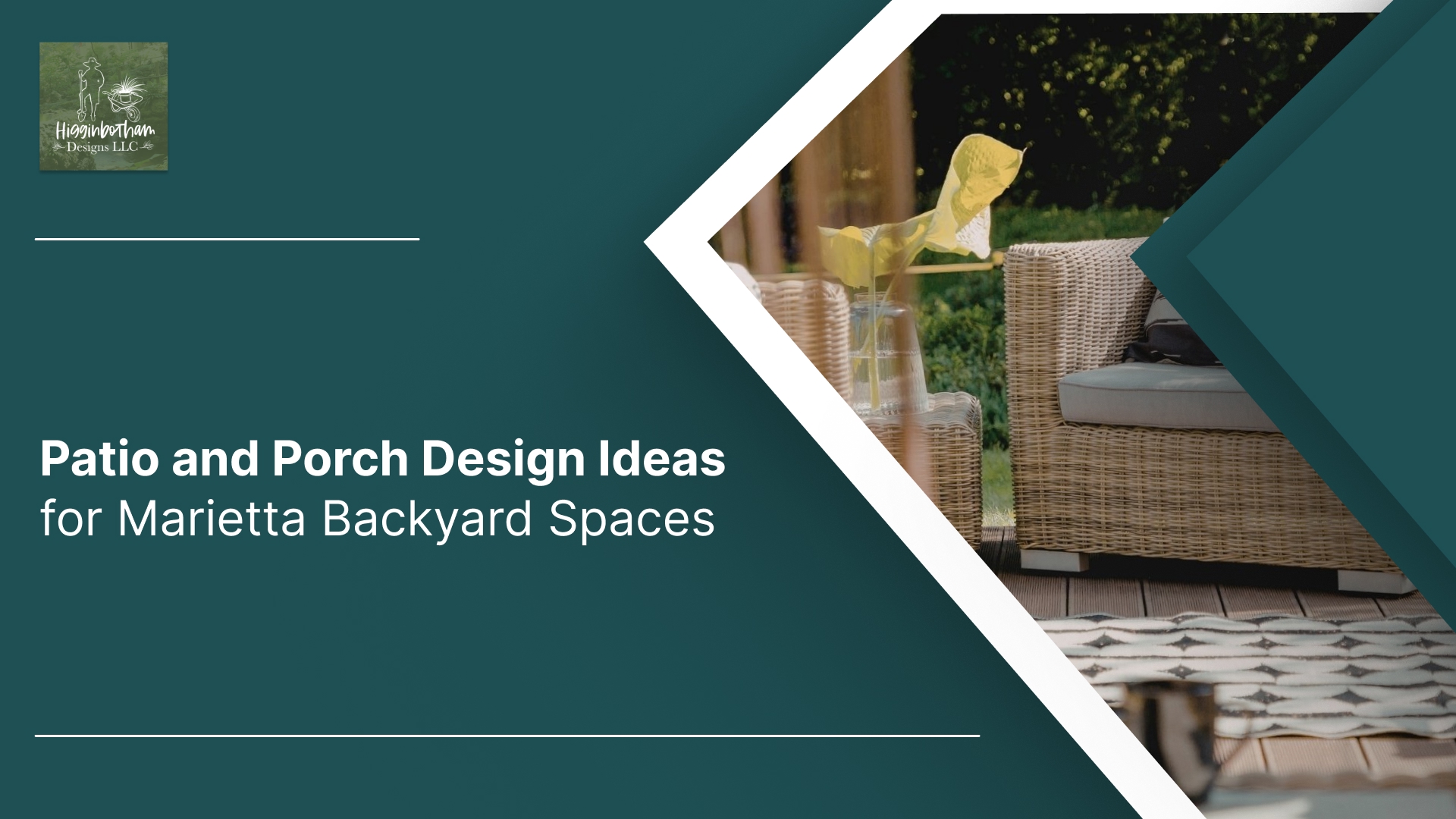
A porch is an attached, roofed structure that is usually built as part of the home. Many porches sit at the front entrance, but you can also build a porch for backyard use. Because a porch is part of the house structure, it often feels like an extension of your indoor living space. It may be open, covered, or screened.
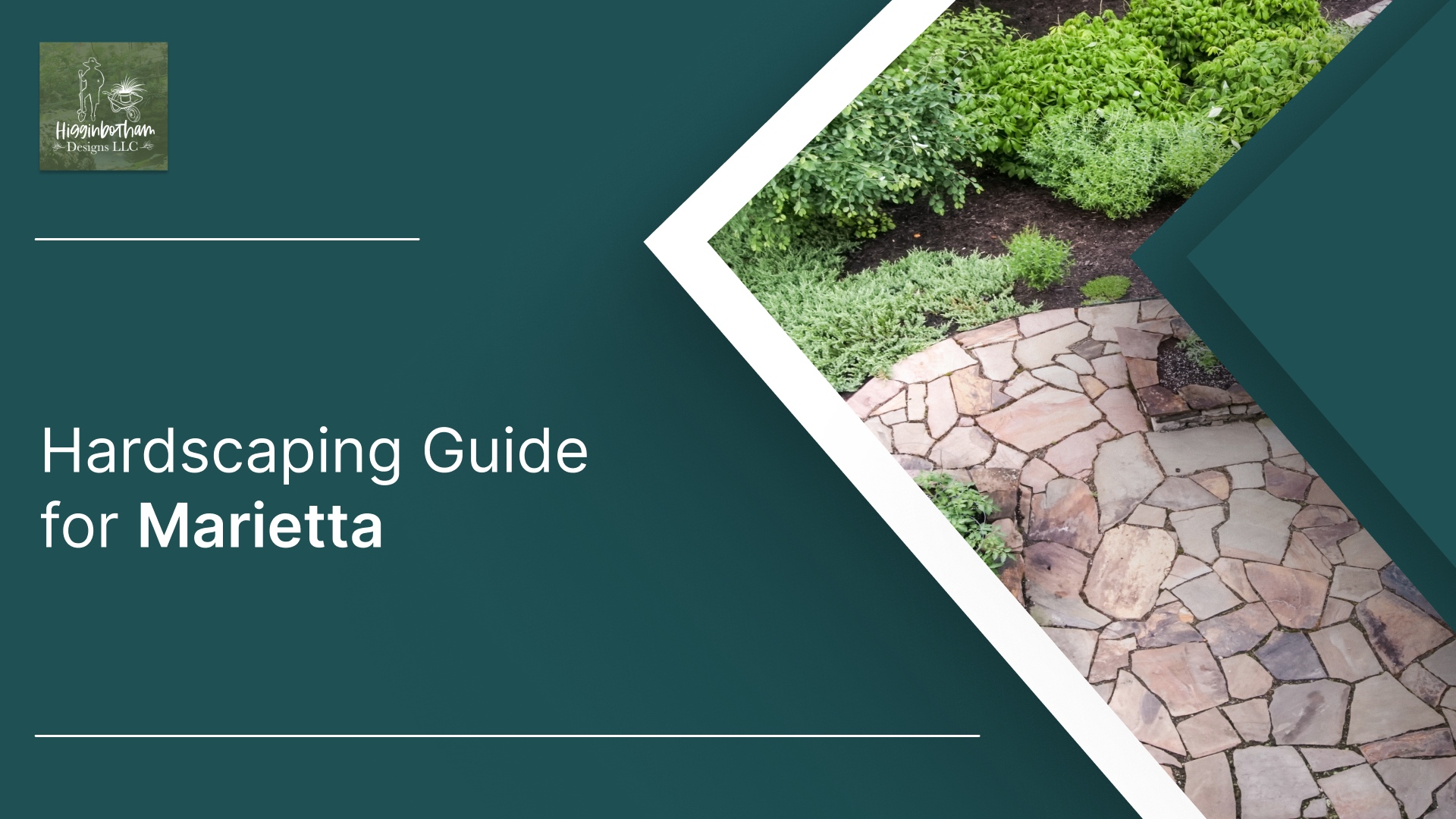
A patio is a ground-level paved area made of concrete, pavers, or stone. It is typically uncovered and often located in the backyard. Patios are generally treated as a landscape feature so that they can be placed and shaped more flexibly than a porch.
Quick comparison to help you choose
If you want… | Patio may fit better | Porch may fit better |
Flexible seating layouts | ✔ | |
Built-in grill or fire pit | ✔ | |
Shade and rain protection | ✔ | |
A defined, cozy feel | ✔ | |
Lower structural complexity | ✔ |
Ask yourself these simple questions
Do you want to grill and entertain larger groups often?
Do you prefer shade and protection from summer rain?
Is your backyard flat and open, or closer to the house footprint?
Do you want the space to feel like a room or like an open yard feature?
If your goal is a porch for backyard comfort, shade, and ceiling fans may matter most. If your goal is open hosting space with fire features and flexible seating, a patio can feel easier to adapt.
Now that you understand the difference, the next step is not materials. It is the feeling you want people to have when they step outside.
Start With the Feeling You Want When People Walk Outside
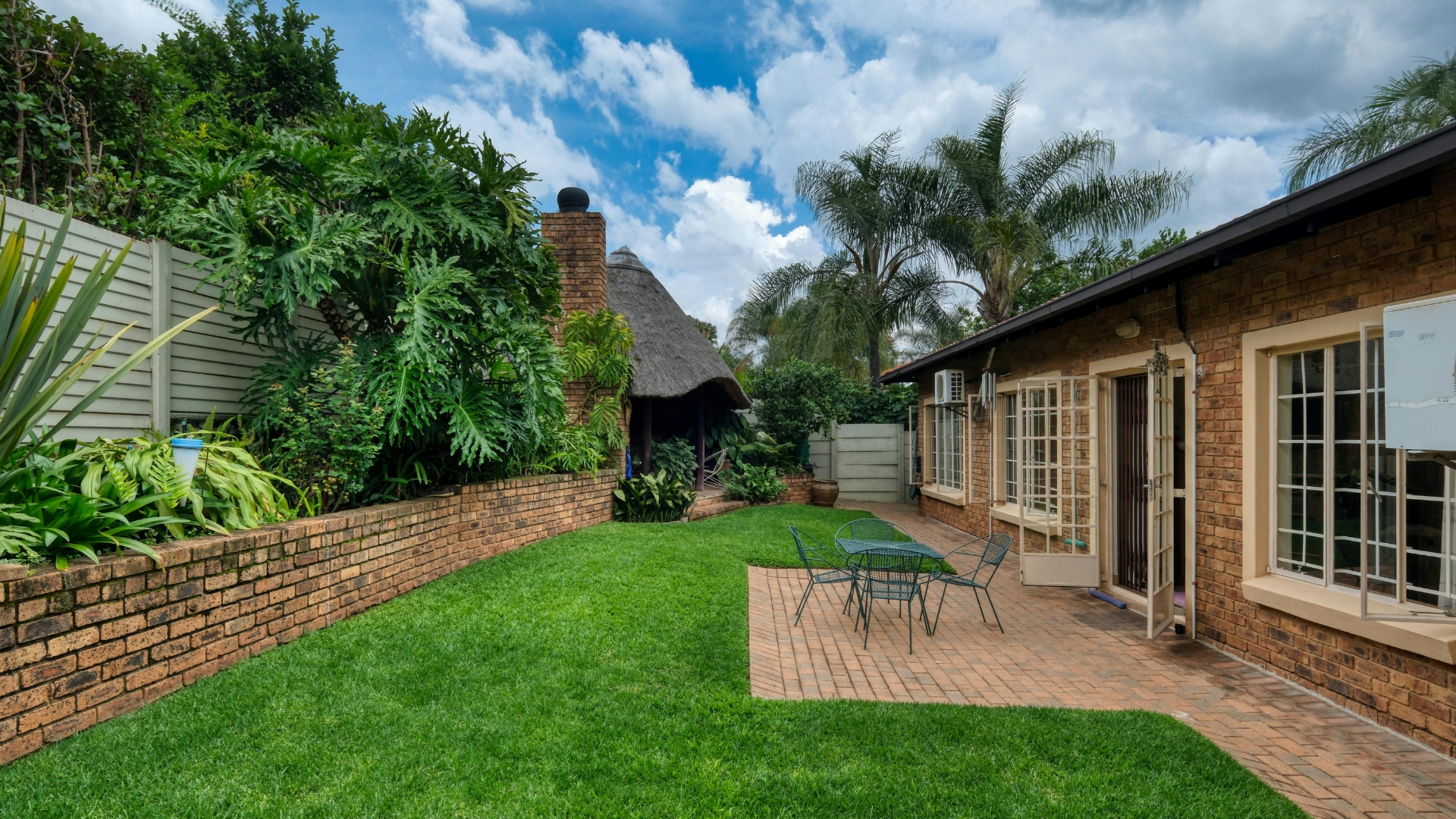
Before choosing materials, think about the vibe you want for your space. Whether social and lively or calm and private, your choice will shape the design.
Choose your mood first
1. Social and welcoming
You want friends to gather easily. You picture laughter around a table or fire feature.
Larger seating zones
Open sight lines
Clear paths between the grill, table, and lounge
2. Quiet and private
You want a place to unwind after work.
More defined edges
Comfortable seating with shade
Subtle lighting and privacy planting
3. Family hangout
You want flexibility for kids and guests.
Durable surfaces
Room to move
Easy-clean materials
A quick checklist to set direction
Ask yourself:
Will people sit and stay for hours, or rotate in and out?
Do you want the focus to be food, conversation, or relaxation?
Is privacy important from neighbors?
Will you use the space on summer afternoons?
Do you want it to feel open or enclosed?
Now that you know the mood, design decisions become easier. You are not just building a patio porch. You are shaping how your backyard feels.
Backyard Porch Ideas That Make You Want to Use It Every Week
A well-designed porch for backyard use should not feel like an afterthought. It should feel like a room you choose over your indoor living space.
1. Covered backyard porch for shade and comfort
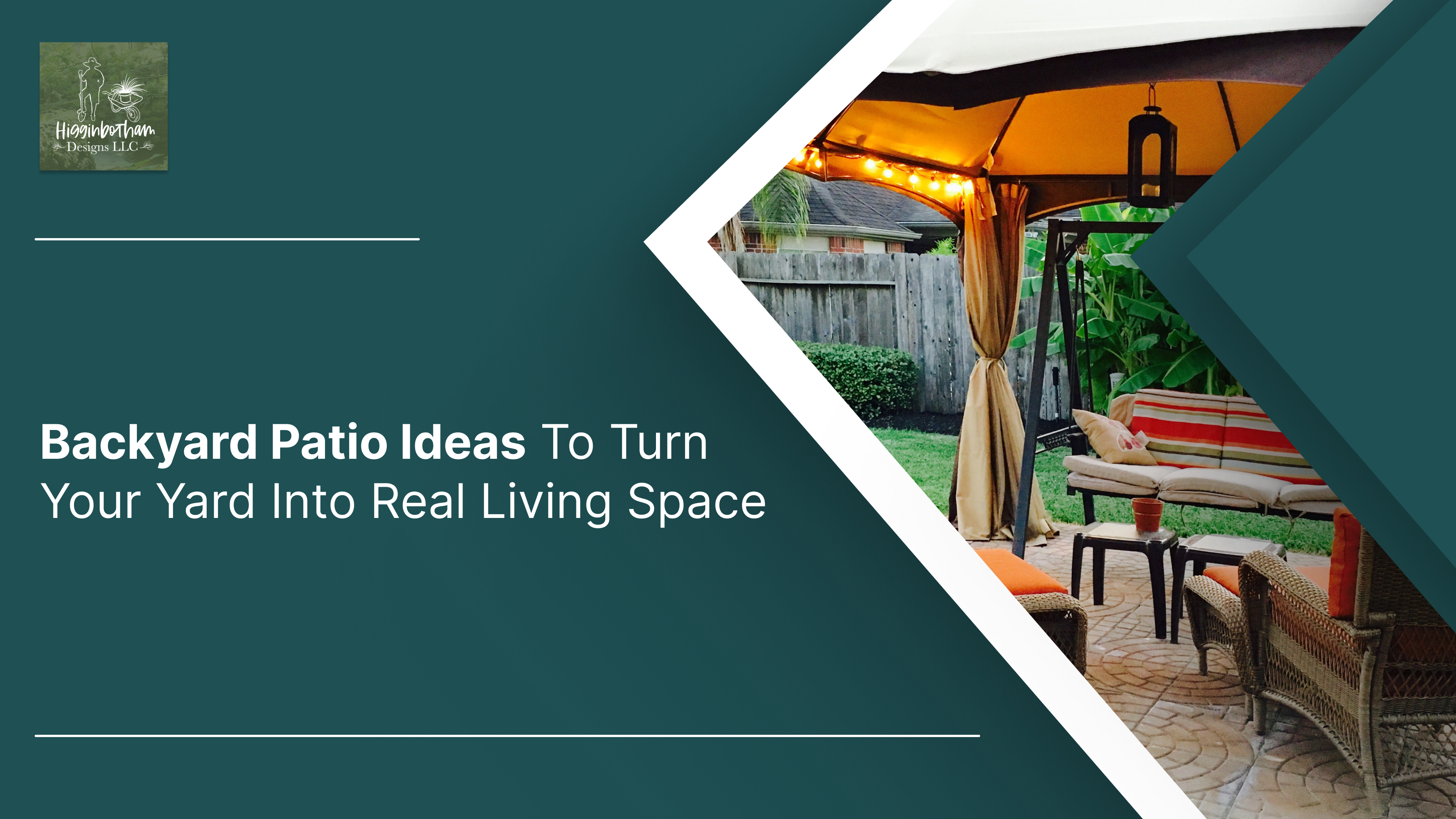
In Metro Atlanta, heat can make an open surface uncomfortable in the late afternoon. A covered porch outdoor setup helps reduce direct sun and light rain exposure.
Simple additions can change daily use:
Ceiling fan to improve airflow
Recessed or pendant lighting for evenings
Durable outdoor seating that does not need to be moved indoors
A covered porch often becomes the “default” gathering spot.
2. Screened porch for bugs and pollen
If insects and pollen limit how often you sit outside, screening can change that. A screened porch:
Let's air move through
Reduces mosquitoes
Keeps leaves and debris out
This works well if your backyard has trees or if you enjoy evening use.
3. Small upgrades that improve comfort fast
Even without major construction, you can improve use:
Outdoor rug to define the seating zone
Built-in bench along one edge to save space
Wall-mounted lighting instead of one central fixture
Storage bench to reduce clutter
If your goal is a porch for backyard hosting, comfort details matter more than size. A modest space with the right layout will get used more than a large space with no shade or lighting.
Now that we have covered porch ideas, the next step is looking at patio setups that support cooking and larger gatherings.
Patio Ideas for Cooking, Dining, and Easy Hosting
A patio works well when you want an open layout that can change with the season. It can support dining, a grill area, and a relaxed seating zone without feeling boxed in.
1. Build your patio around two core zones
Most patios feel better when you plan two zones from the start:
Dining zone: table and chairs, close enough to the door for serving
Lounge zone: a softer seating area for conversation after the meal
If you try to do everything in one spot, the space feels crowded fast. On the other hand, two clear zones help guests move naturally.
2. Make hosting easier with a simple layout
Use these practical placement checks:
Put the dining table where people can reach it without walking through the cook area.
Keep the grill or cooking station slightly off to the side, not in the middle of traffic.
Leave space for chairs to slide back without blocking a walking path.
Now that you have a flow, you can add one feature that becomes the anchor.
3. Add one anchor feature that fits your style
Pick one main feature based on how you host:
Grill and prep counter: best for frequent cooking
Fire feature seating area: best for evening gatherings
A focal planter or water feature: best for a calmer, design-led look
Keep it simple. One strong anchor usually looks better than several small ones.
If your patio feels small, do this
You can make a small patio feel bigger without adding square footage:
Use built-in seating on one side instead of chairs everywhere.
Choose a round table to improve traffic flow.
Keep furniture legs lighter and more open so the surface feels less crowded.
Covered Patio vs Covered Porch: Shade Options That Look Intentional
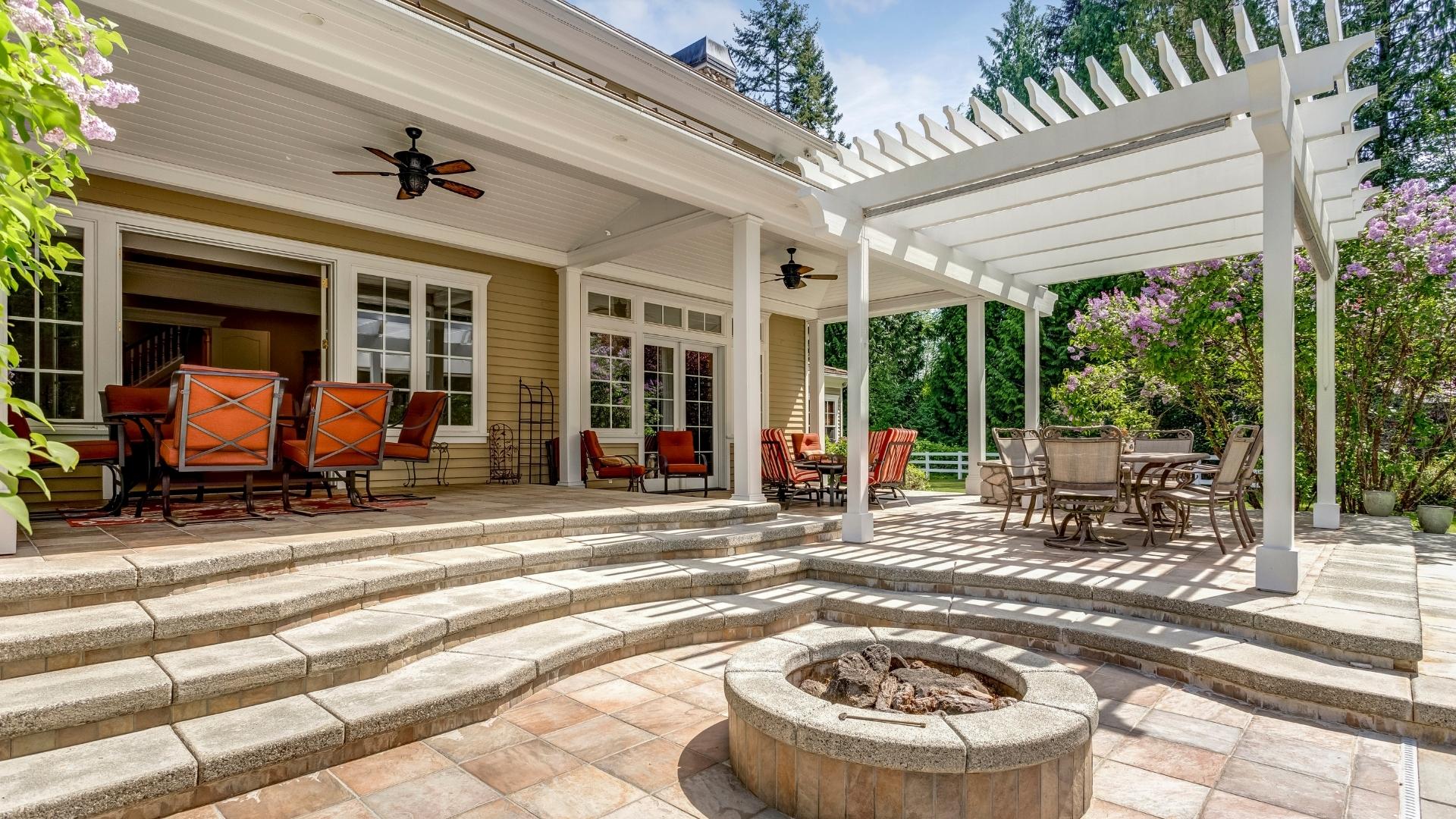
In Marietta and nearby areas, shade is not only comfort. It affects how often you use the space. A good cover plan can help reduce heat, handle quick rain, and make the space feel finished.
The three most common shade directions
Pergola
A pergola adds structure and style without fully blocking light. It can work well if you want partial shade and a more open feel.
Solid cover
A solid roof cover gives the most protection from the sun and rain. It can make the space usable in more weather, but it needs careful planning so it does not feel dark.
Mixed shade zones
This is often the most natural approach. You cover part of the space for seating or dining, and keep part open for light and airflow.
Quick comparison
Shade option | Best for | Watch-outs |
Pergola | Light shade and style | Still allows some sun and rain |
Solid cover | Strong sun and rain protection | Can reduce light if not planned well |
Mixed zones | Flexible use and airflow | Needs clear layout planning |
How to choose without overthinking it
If you host in the afternoon, prioritize real shade for seating.
If you use the space mostly at night, lighting and airflow may matter more.
If your backyard gets sudden rain bursts, a partial cover over the dining area can help.
Now that you have inspiration for both patios and porch outdoor setups, the next step is choosing materials that hold up well and still look good over time.
Materials That Hold Up in Georgia Weather and Still Look Good
Materials determine your patio’s comfort, safety, and maintenance. Inspiration posts often overlook this, but it’s crucial in real-life design.
Start with safety and comfort first
Before you choose a color or pattern, check:
Does it get slippery after rain?
Does it get too hot to walk on in summer?
Does it show every bit of pollen and red clay?
A surface can look great online and still feel annoying to live with.
Patio surfaces that work well for daily use
Common patio surfaces include concrete, pavers, and natural stone. What matters most is how the surface handles water and heat.
A well-built surface should drain properly and stay stable.
Textured finishes can help reduce slipping.
Lighter tones can feel cooler underfoot in direct sun.
Now that you have the base in mind, think about how the space will connect to the rest of your yard.
Porch materials that feel like part of the home
A porch outdoor space should feel like an extension of the house. That usually comes from:
consistent trim and railing style
a ceiling finish that looks intentional
flooring that matches the level of use you expect
If the porch is screened, the screen system and door placement also affect comfort and airflow.
Pair hard surfaces with softer elements
A patio porch looks finished when hard materials and soft elements work together:
planting beds to soften edges
privacy shrubs where you sit
mulch or gravel borders to reduce splashback
This approach also helps the space feel less harsh in bright summer light.
Lighting, Privacy, and Comfort Details People Notice First
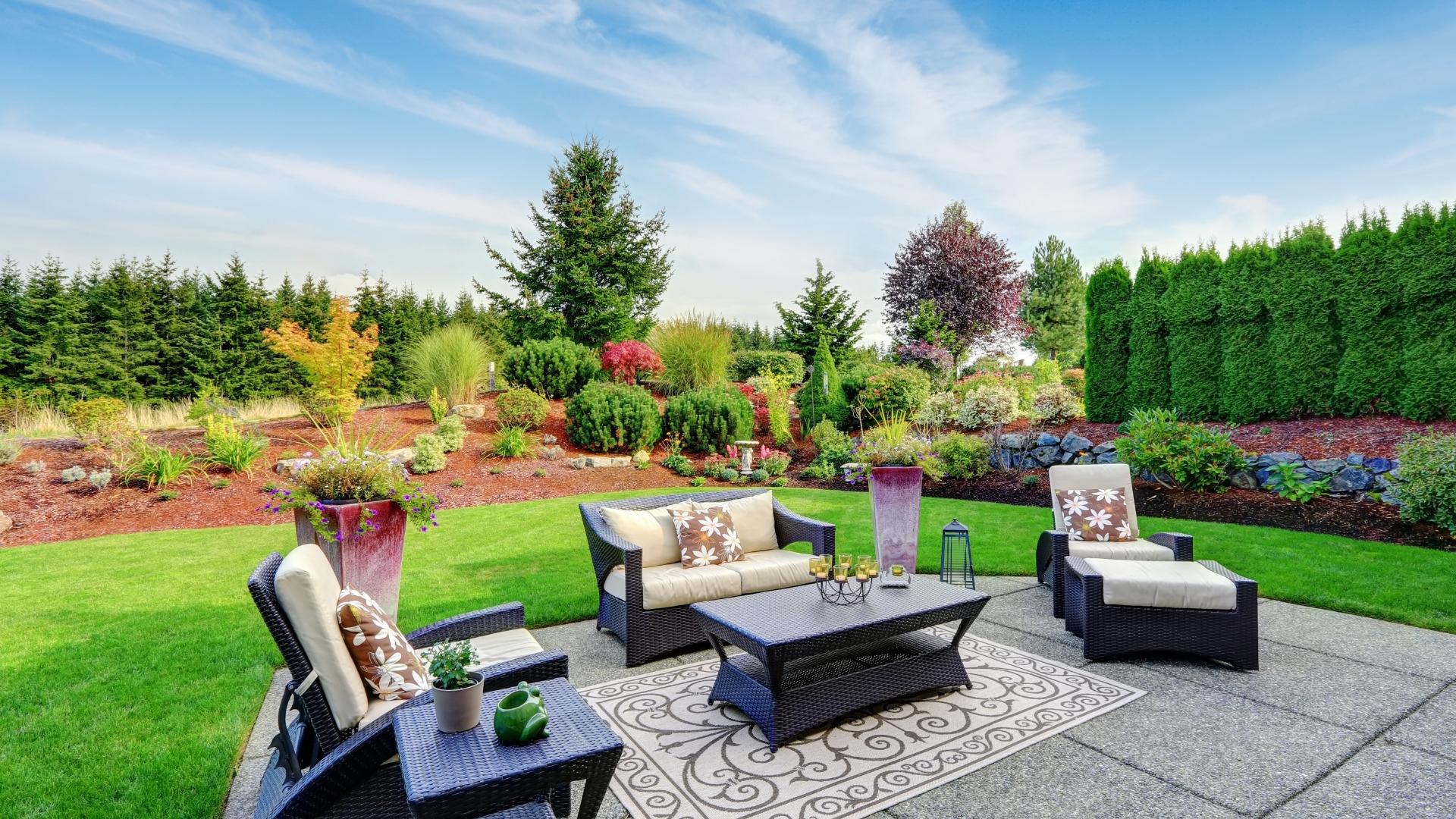
Once the base and layout are set, small details turn the space into a true outdoor room, creating an inviting atmosphere guests will notice.
Use lighting in layers, not one bright fixture
Most outdoor spaces fail on lighting because everything depends on one overhead light. A better plan uses layers:
Path lighting: helps people move safely.
Task lighting: helps you see food, steps, and door locks.
Soft glow lighting: makes the space feel warm for conversation.
For example, a soft glow near seating feels better than a bright light overhead.
Add privacy where you actually sit
Privacy does not need to block the whole yard. Focus on the sight lines that matter.
Simple options include:
planting along the seating edge
a short wall section or screen panel
shifting seating away from direct neighbor views
On the other hand, too much enclosure can trap heat, so keep airflow in mind.
Comfort upgrades that change daily use
These upgrades often have a bigger impact than decor:
ceiling fan for covered areas
outdoor curtains for shade and privacy
storage to reduce clutter
a small water feature for gentle background sound
Now that comfort details are handled, the next step is making small spaces feel intentional, not cramped.
Small Patio Porch Spaces: Ideas That Still Feel Like a Real Outdoor Room
Small spaces can still feel premium. The goal is to keep the layout simple and give the space one clear purpose.
Use a narrow layout that stays open
Choose a loveseat and two chairs instead of a large sectional.
Keep one side open for walking, not furniture.
Use a small round table to reduce sharp corners and tight paths.
Add built-ins where you can
Built-ins save floor space and reduce clutter.
Bench seating along one edge
Planter edges that double as extra seating
Hooks or a slim storage unit for cushions and tools
Pick one focal point
Choose one main focus so the space feels intentional:
a small fire feature
a dining table
a view into the yard
a simple water bowl feature
Now that you know how to handle small spaces, the next step is choosing upgrades that look high-end without overspending.
Budget-Smart Upgrades That Look High-End
You can improve a patio porch without doing everything at once. The key is spending on the parts that affect daily use.
Spend where it changes comfort
Shade where you sit in the afternoon sun
Lighting where you walk and prep
A surface that drains well and is not slippery
Simplify where you can
Use movable umbrellas before building a full cover
Start with a strong seating layout before adding more features
Add plants in phases as you learn where you want privacy
A simple two-stage plan
Stage 1: base surface, seating zones, lighting
Stage 2: cover structure, built-ins, planting, feature upgrades
If you plan in stages, you can make smart choices without rushing into the wrong layout.
Working With Higginbotham Designs for Patio and Porch Projects
A patio porch project feels easier when one plan ties the whole space together. That includes layout, hard surfaces, drainage, and how the backyard looks when the work is done.
Higginbotham Designs is a family-owned and veteran-owned team based in Marietta, Georgia, with 35-plus years of experience. You get a clear process, so decisions do not feel scattered.
Key Services:
Custom patios and hardscape installation: creates a stable surface with clean edges and better flow for hosting.
Outdoor living spaces: help shape seating zones, shade planning, and comfort details.
Landscape design and landscaping: softens the hardscape, adds privacy, and makes the space feel finished.
Retaining walls: help level sloped yards so patios and backyard porches sit right.
Water features: add a calm focal point that makes the outdoor space feel like a retreat.
Service areas
Marietta, East Cobb, West Cobb, Kennesaw, Smyrna, Roswell, Acworth.
Conclusion
A great patio or porch is about creating a layout that suits how you host, planning for comfort, and choosing durable materials. Start with the feeling you want and build from there.

If you want a clear plan for your patio porch project, you can request a quote from Higginbotham Designs.
FAQs
1. Do you need a permit to build a porch in Marietta or Cobb County?
It depends on what you build and whether it is a structural addition. Attached or covered structures often require permitting.
2. What is the best porch size for a backyard?
It depends on furniture and traffic flow. Plan around seating first, then add space for clear walking paths.
3. Can you add a porch to an existing patio?
In many cases, yes. It depends on the patio base, drainage, and how the cover structure will be supported.
4. How do you keep outdoor furniture from fading fast in the Georgia sun?
Use UV-resistant fabrics, add shade where you sit, and store cushions when heavy storms are expected.
5. What helps a porch feel cooler in summer?
Shade, airflow, and ceiling fans make the biggest difference, especially when the porch faces afternoon sun.