If you are planning a patio or walkway, choosing pavers can start to feel like too many decisions at once. One yard photo looks great, then you see five more materials and ten finishes that look similar.
You still have to decide what will feel safe underfoot, stay level under patio furniture, and handle rain without creating puddles. In Marietta-area yards, slope and soil can also change what holds up best.
This guide helps you compare the main types of pavers in plain terms. You will see where each option fits, what to watch for, and a simple way to choose based on your priorities. If you want clarity before you commit, a design plan helps confirm the layout and water flow.
Key Takeaways
Pavers offer design flexibility and functionality for outdoor surfaces like walkways, patios, and driveways.
Choose pavers based on usage: walkways need traction, patios need flatness, and pool areas require slip resistance.
Key paver types: concrete, brick, natural stone, porcelain, permeable, and rubber/plastic, each with strengths and considerations.
Focus on site conditions like drainage, slope, and moisture when selecting pavers.
Higginbotham Designs helps you choose the right paver type for your yard, ensuring durability and aesthetic appeal with a design-first approach.
What are Pavers, and Where are They Used?
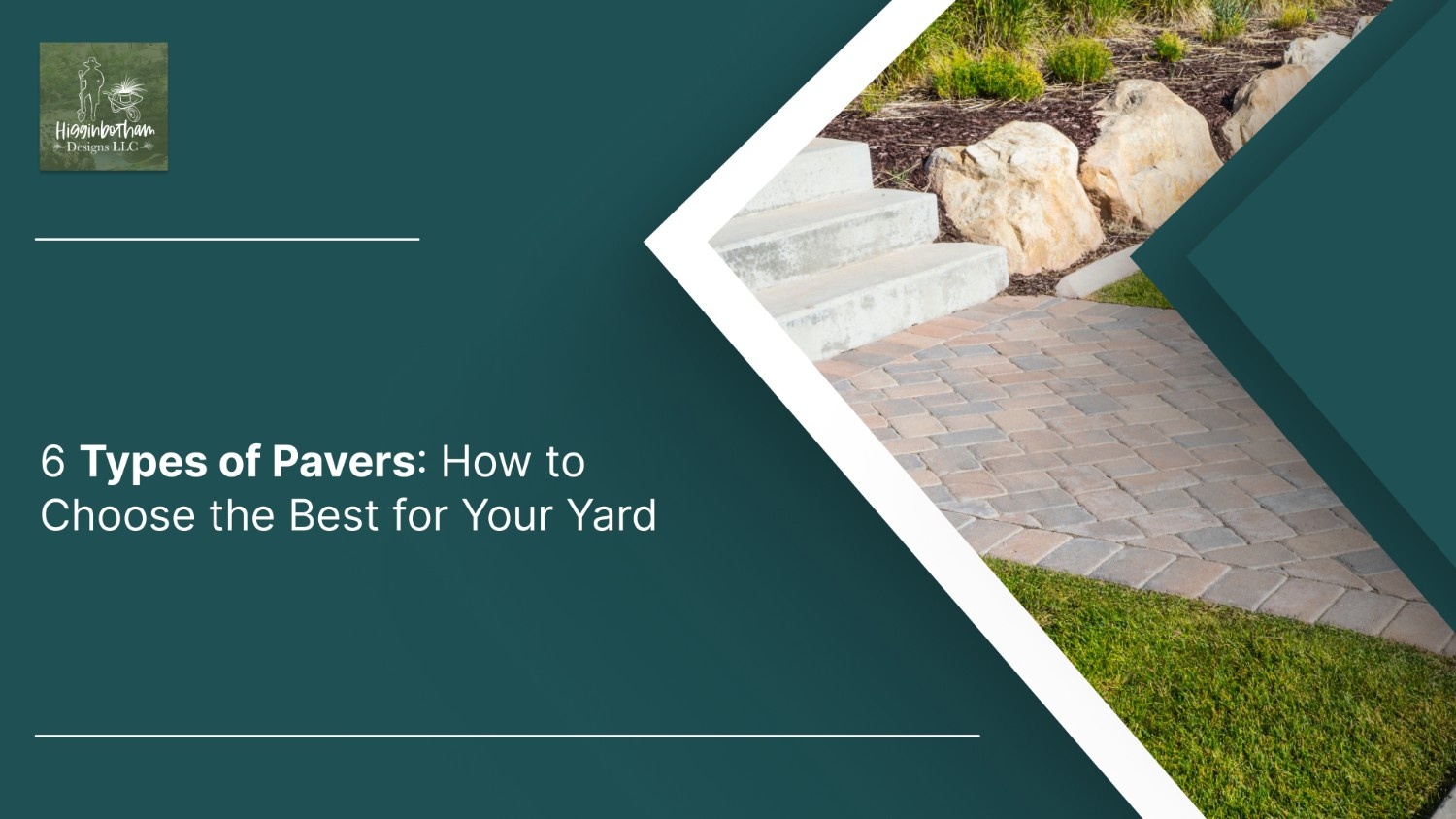
Pavers are individual units, typically made from concrete, brick (clay), or natural stone. Unlike poured slabs, they allow for customizable layouts, easy edge control, and simple repairs without replacing the entire surface.
Pavers are commonly used for:
Walkways: Provide traction and smooth transitions
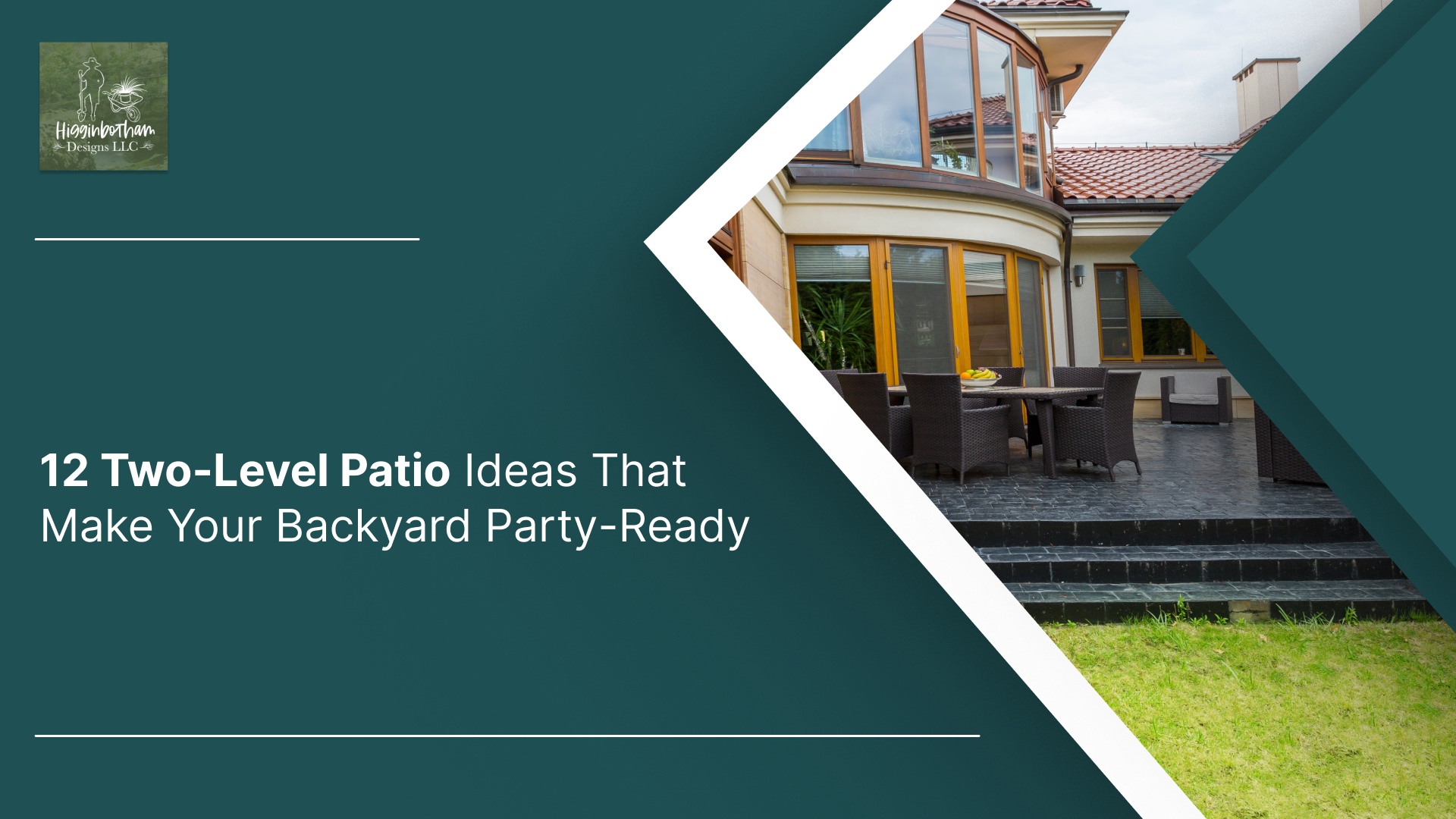
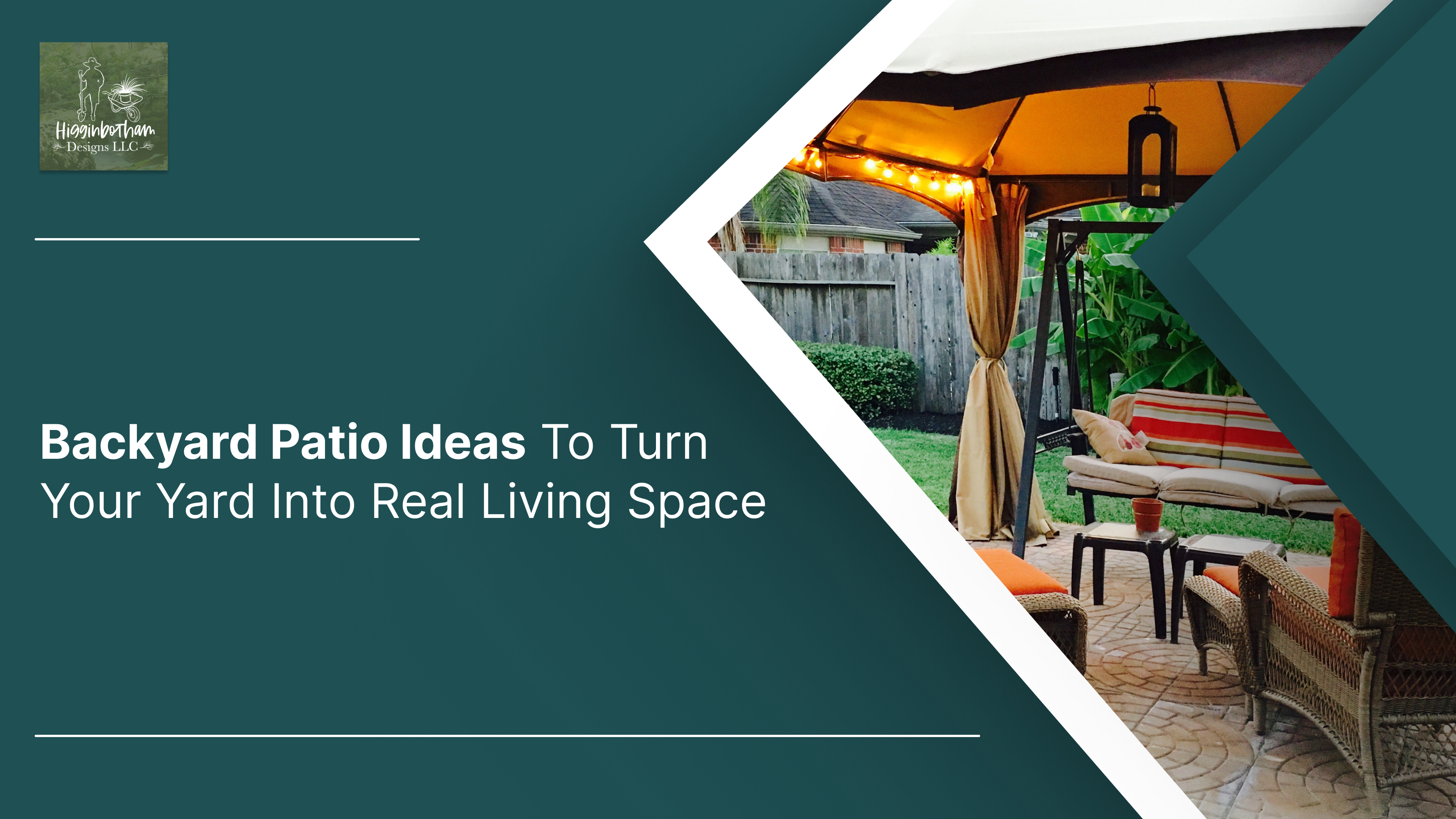
Patios: Offer a stable surface for furniture
Pool decks: Ensure slip resistance and comfort
Driveways: Suitable for heavier loads when properly designed
Pavers are weather-resistant when installed with proper base and drainage, and their flexibility in design allows for a range of patterns, borders, and colors.
Next, you will choose pavers faster once you decide if your project is a walkway, a patio, or both.
Start With Your Project: Walkway or Patio?
Before you compare materials, decide what the surface must do every day. A walkway and a patio face different wear, moisture, and safety needs. If you pick a paver based on looks alone, you can end up with slick spots, uneven joints, or furniture that rocks.
Walkway needs
A walkway needs to be safe, stable, and weather-resistant.
Focus on:
Traction: Avoid overly smooth finishes, especially in shaded areas.
Level transitions: Minimize trip hazards at steps or edges.
Edge stability: Strong restraint keeps pavers in place.
Drainage: Proper planning helps maintain stability near downspouts or slopes.
Patio needs
Patios must be level and durable for outdoor living.
Consider these factors:
Flatness: Ensure stability for furniture with consistent joints.
Stain resistance: Choose materials that resist food, grease, and leaf stains.
Comfort: Be mindful of heat retention, especially in full sun.
Joint performance: Select joint materials that prevent shifting and weed growth.
If you are doing both
Matching the same paver everywhere can look clean, but it is not always the best choice. You can also mix surfaces to balance function and budget.
A simple approach is:
Use one main paver type for visual consistency
Adjust finish, format, or border details to suit each area’s use
Prioritize traction on walkways and stability on patios
Now that you know what the surface must handle, you can compare paver types clearly.
The 6 Main Paver Types (quick comparison)
Use the table below to narrow your options. It shows where each paver type tends to perform best, plus the trade-offs you should plan for.
Paver type | Best for | Main strengths | Watch-outs | Maintenance level |
Concrete pavers | Patios, walkways, and many outdoor living areas | Many shapes and finishes, easy to repair in sections | Quality varies, joints need proper edging, and base | Low to medium |
Brick (clay) pavers | Traditional walkways and patios | Timeless look, strong color retention | Can shift if base is weak, moss in shade | Low to medium |
Natural stone pavers | High-end patios, garden paths, statement areas | Unique look, strong curb appeal | Sealing needs vary; the cost tier is higher | Medium |
Porcelain pavers | Modern patios and dining areas | Stain-resistant, consistent finish | Base and handling matter, check slip rating | Low |
Permeable pavers | Areas with pooling water or runoff concerns | Helps reduce runoff, supports drainage planning | Needs correct base layers; joints must stay clean | Medium |
Rubber or plastic pavers | Small, low-load areas and quick refreshes | Softer feel, simple installs in some cases | Not ideal for heat, heavy loads, or long-term rigidity | Medium |
Next, you will see what each type does well, and what to watch for before you commit.
1. Concrete Pavers (Including Cement-Based Options)
Concrete pavers are a popular choice for various budgets and styles. Made from cement, they come in different textures and colors, offering versatile design options without changing the surface structure.
Concrete pavers often work well for:
Patios where you want a clean, consistent surface for furniture
Walkways where you need dependable traction and easy repairs
Outdoor living zones that connect steps, seating, and planting areas
Why many homeowners choose them:
Versatility: many shapes, sizes, and finishes make it easier to match your home
Reparability: you can lift and replace sections if a small area settles
Design flexibility: patterns, borders, and accents are easy to build into the plan
Practical tips before you choose:
For walkways, favor a finish with a reliable grip, especially in shaded areas.
For patios, confirm the paver format supports stable furniture legs and even joints.
If your yard has slope or runoff paths, plan drainage first, then pick the surface style.
If you are not sure about thickness, base depth, or edging, a local site review can help you avoid settling and uneven joints.
2. Brick (Clay) Pavers
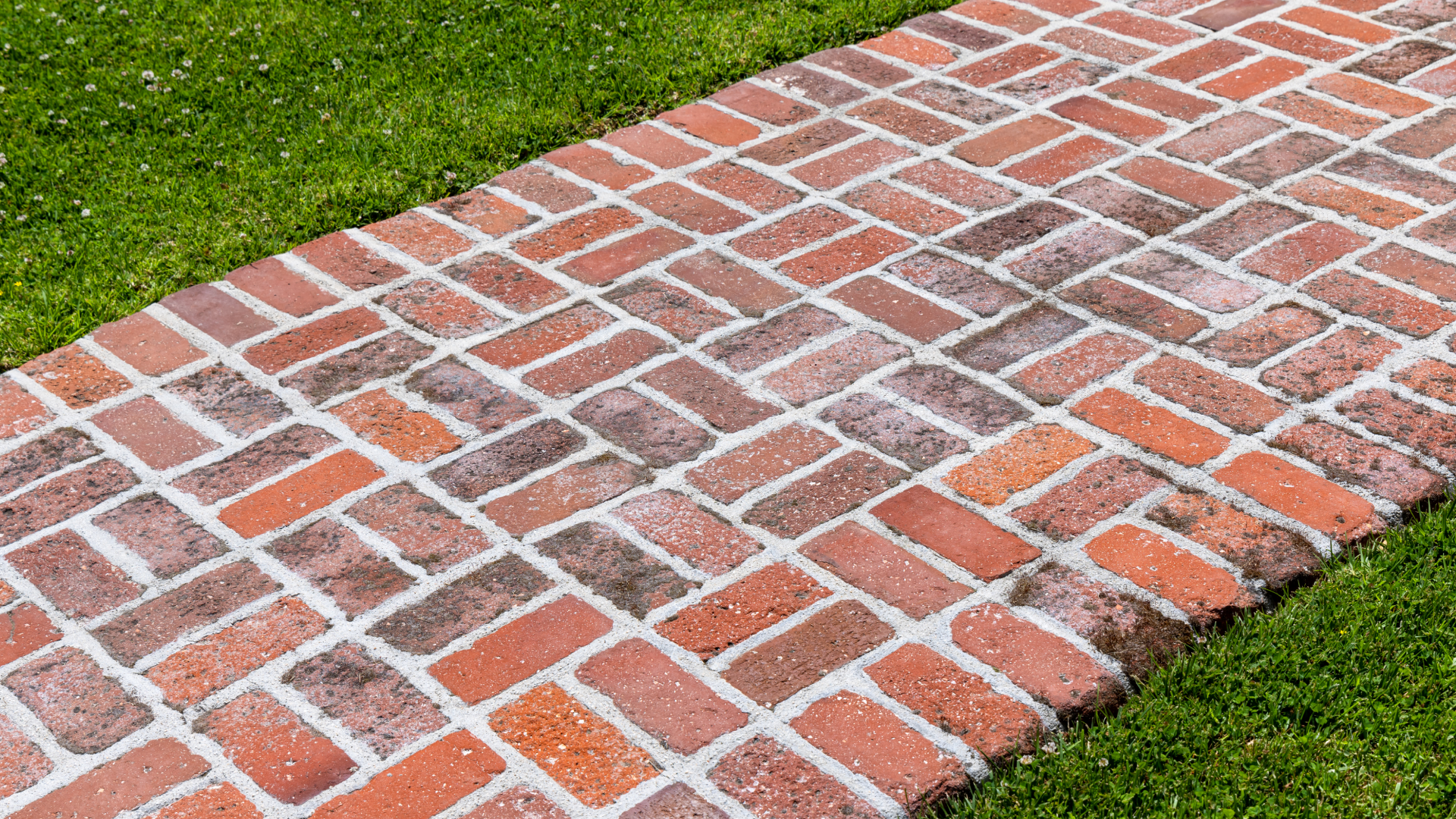
Brick pavers are made from molded clay that is fired at high temperatures. They are a classic choice for homes that suit traditional materials and warm tones. Many homeowners also like them because their color tends to hold up well over time.
Brick pavers are often a strong fit for:
Walkways with a timeless look and good day-to-day traction
Patios where you want character, especially near older or traditional homes
Borders and accents that frame a patio or garden path cleanly
Benefits:
Color retention: clay color is built into the material, not a surface coating
Durability: they handle regular foot traffic well when installed correctly
Low routine upkeep: cleaning is usually simple when drainage is managed
3. Stone Pavers
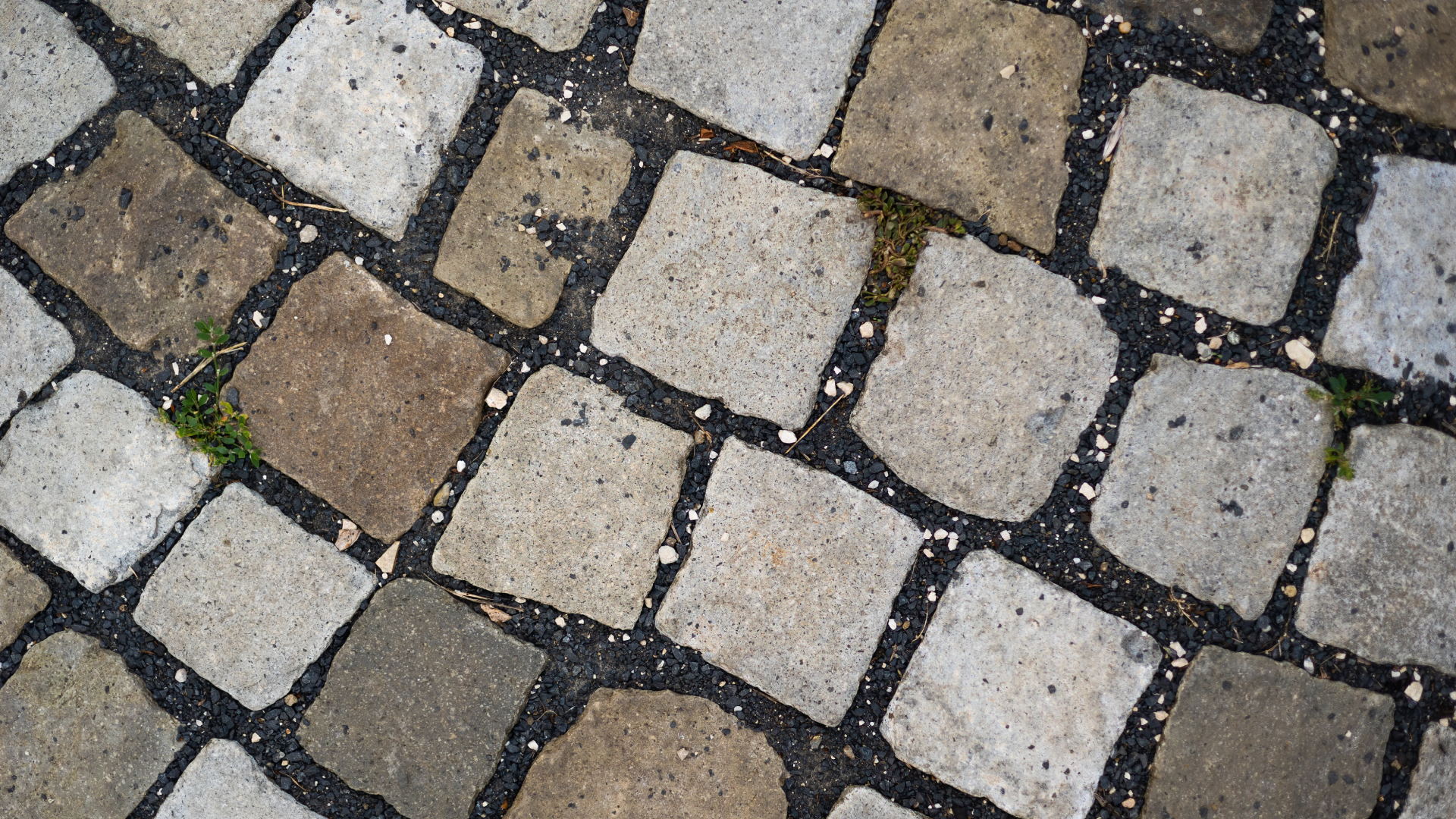
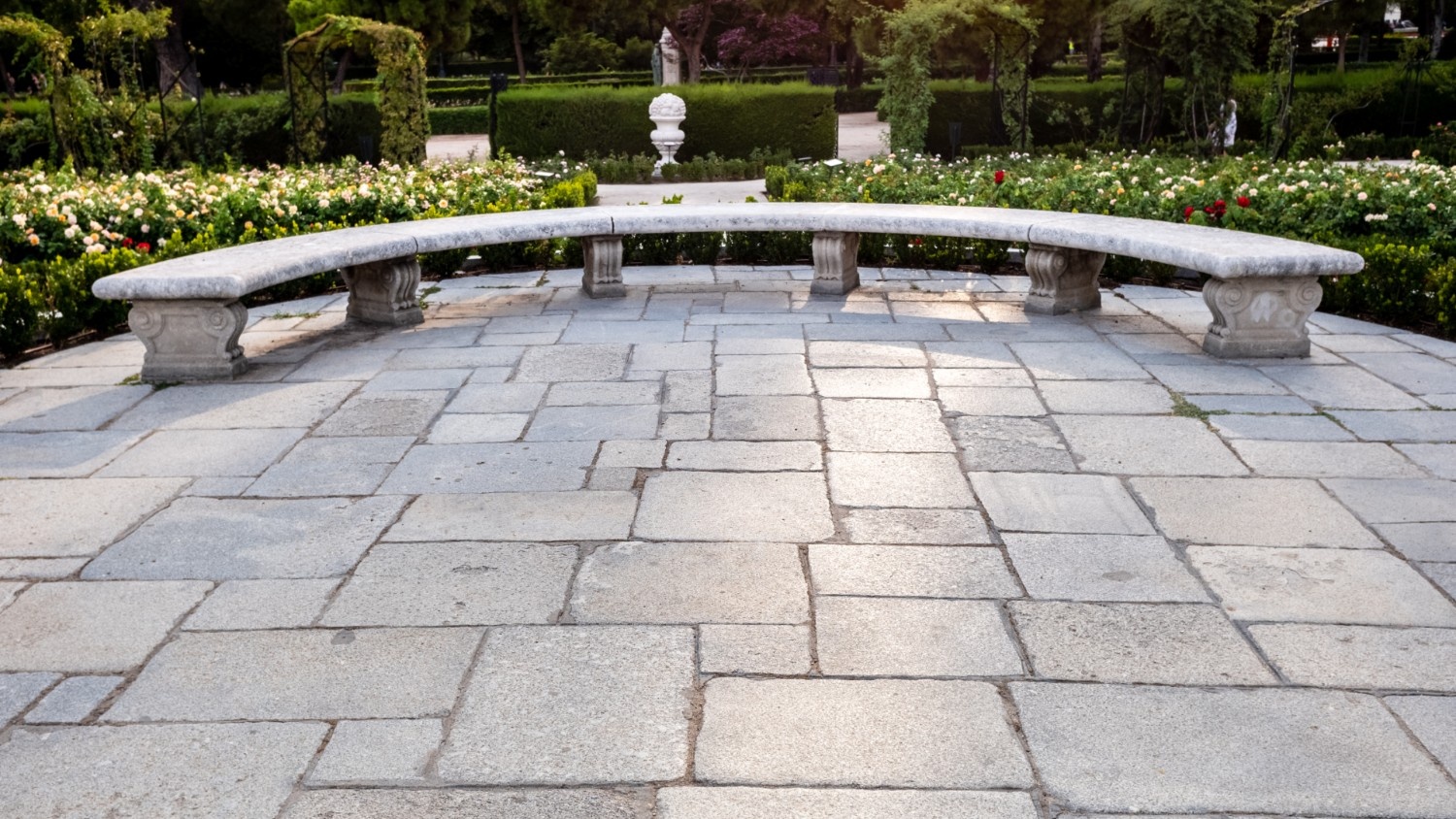
Natural stone pavers offer variation and texture, ideal for patios and walkways where appearance matters. Their performance depends on proper layout, base, and drainage planning.
1. Travertine
Travertine is often chosen for patios and pool-adjacent areas.
Why it works: stays cooler underfoot than many dense stones
Where it fits: seating areas, outdoor dining, pool surrounds
What to watch: it is porous, so sealing helps reduce staining
2. Bluestone
Bluestone offers a clean look with reliable traction.
Why it works: textured finishes provide grip for walkways
Where it fits: patios and paths that need both function and style
What to watch: color variation is natural, so samples matter
3. Limestone
Limestone creates a softer, lighter appearance.
Why it works: suits formal layouts and light-toned designs
Where it fits: patios and garden paths
What to watch: finish choice affects wear and stain resistance
4. Granite
Granite is one of the most durable stone options.
Why it works: handles heavy use well
Where it fits: high-traffic walkways and busy patios
What to watch: darker finishes can hold heat in full sun
5. Flagstone and cobblestone
These stones add strong character.
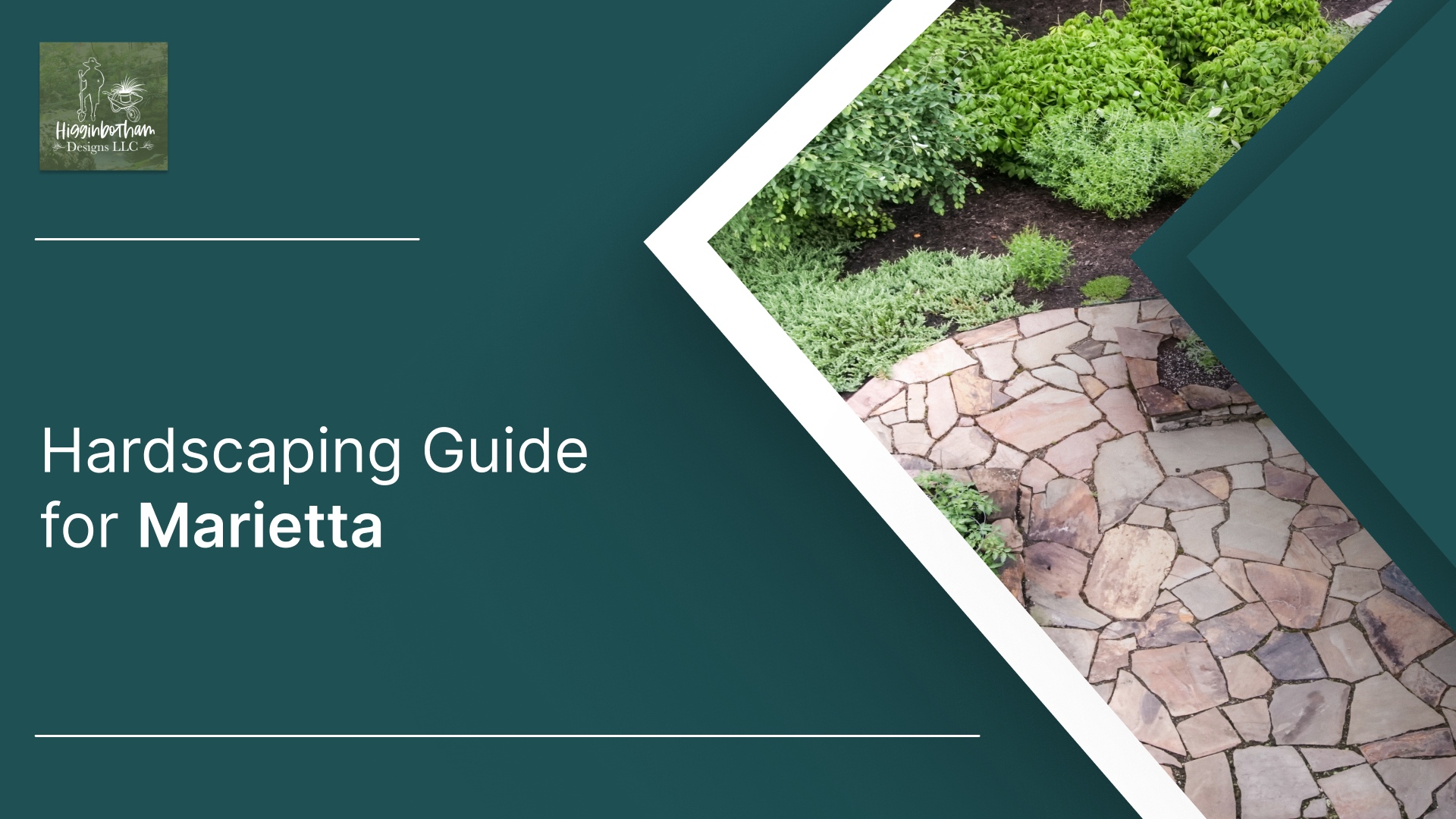
Flagstone: irregular shapes, organic layouts, natural flow
Cobblestone: textured look, strong visual impact
What to watch: uneven surfaces can affect furniture stability and walking comfort.
Stone type | Best use | Maintenance level |
Travertine | Patios, pool areas | Medium |
Bluestone | Walkways, patios | Medium |
Limestone | Patios, paths | Medium |
Granite | High-use areas | Low to medium |
Flagstone / Cobblestone | Feature paths, accents | Medium |
If you want a more uniform look with lower day-to-day upkeep, porcelain pavers are worth considering next.
4. Porcelain Pavers
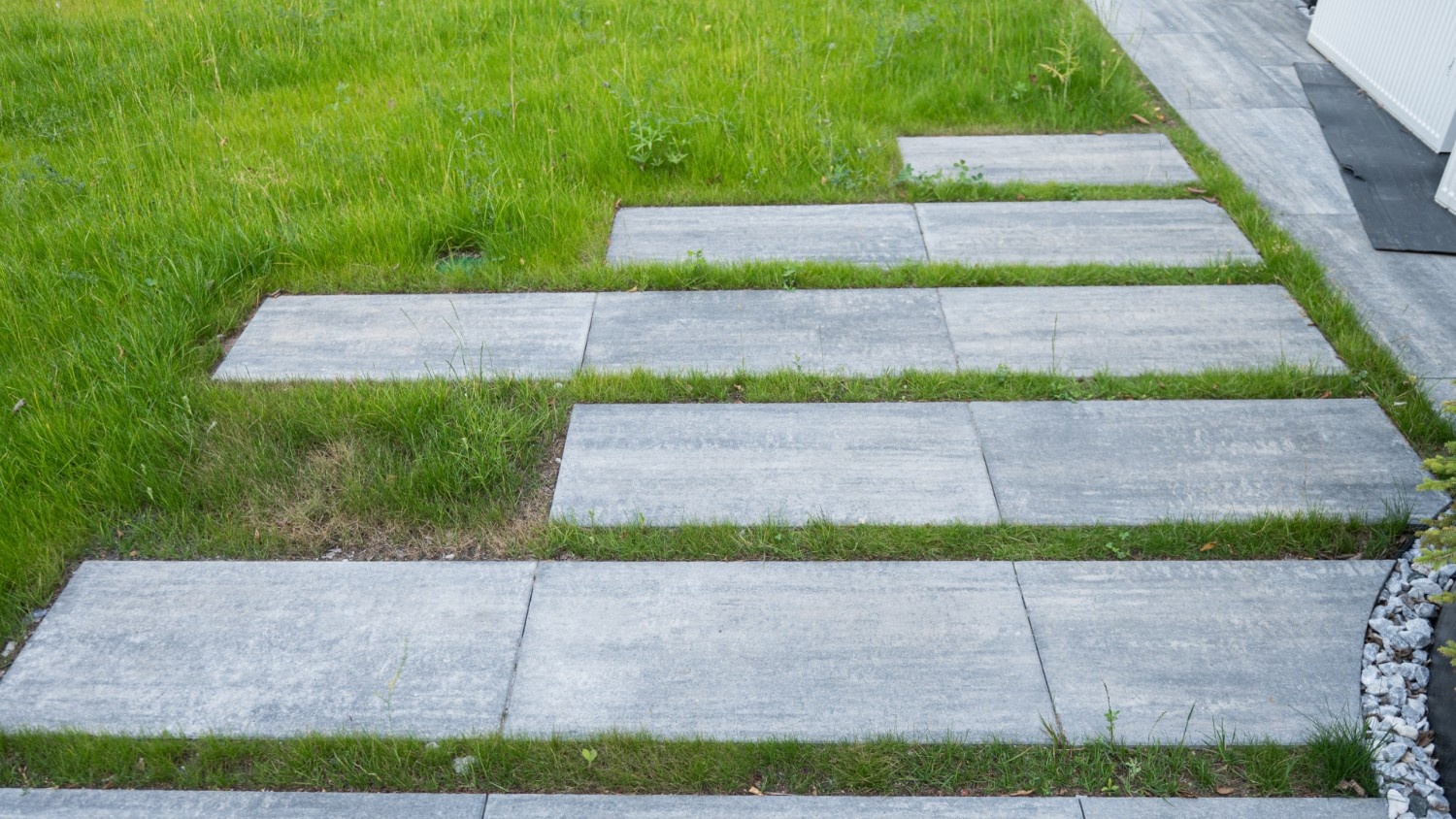
Porcelain pavers are manufactured units designed for outdoor use. They appeal to homeowners who prefer clean lines and consistent color without frequent maintenance.
Porcelain pavers often suit:
Patios used for dining and entertaining
Modern outdoor spaces with simple layouts
Areas where staining is a concern, such as near grills
Why homeowners choose porcelain:
Stain resistance: food, grease, and leaf marks clean easily
Consistent finish: color and texture stay uniform across the space
Low routine upkeep: sealing is usually not required
A design-first approach helps confirm whether porcelain fits your layout and site conditions before installation begins.
5. Specialized Paver Systems That Change Performance
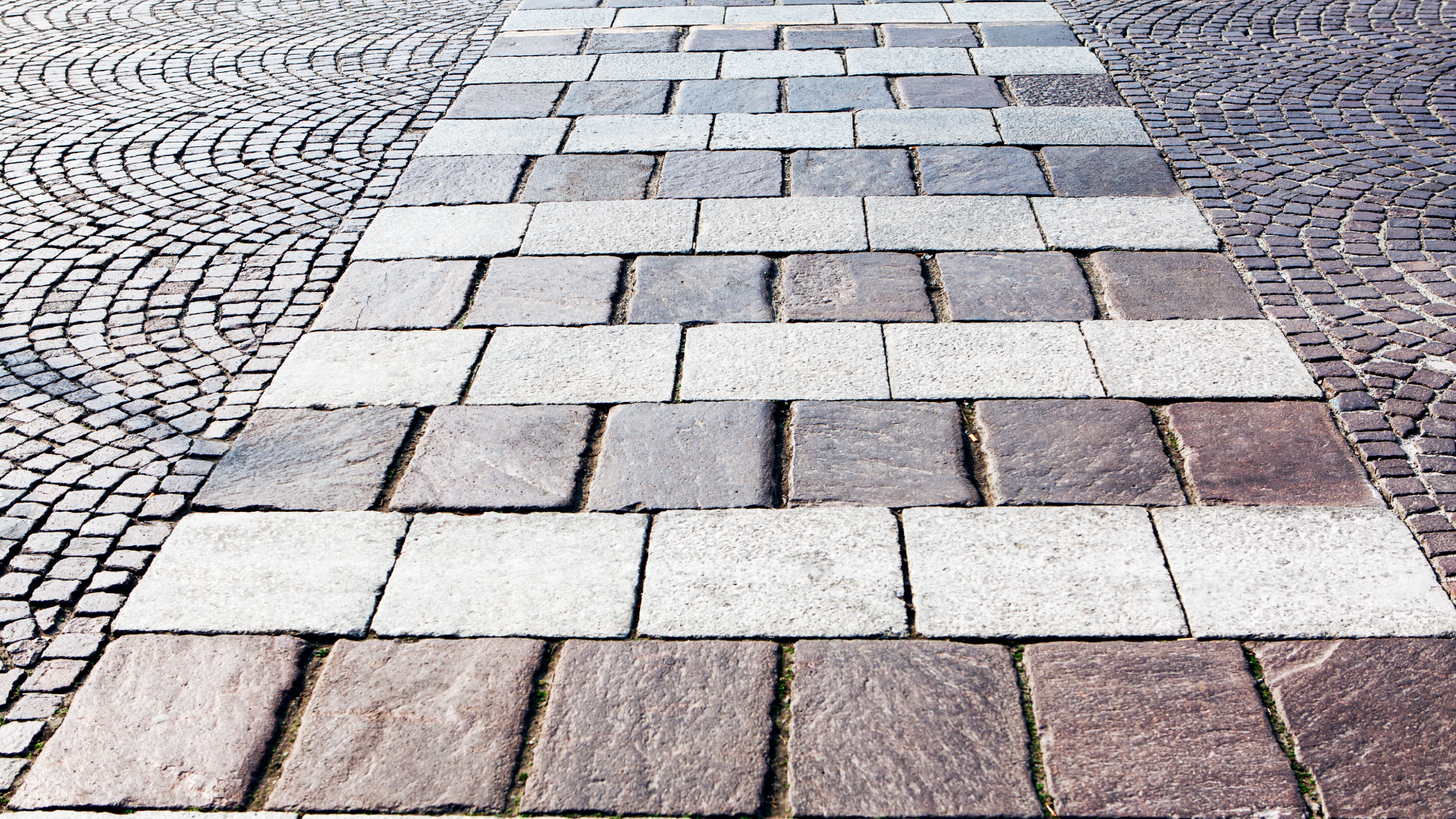
These systems focus on enhancing stability, water management, and edge control, making them ideal for yards with slopes, heavy rain, or high-traffic areas.
1. Interlocking pavers
Interlocking pavers fit together in tight patterns to act as a unified surface.
They offer:
Better stability in higher-traffic walkways and busy patio zones
Reduced shifting when the base and edge restraints are done correctly
Cleaner pattern alignment across long runs and larger areas
The key point is simple. Interlocking helps, but it still depends on base depth, compaction, and strong edges.
2. Permeable pavers
Permeable pavers allow water to pass through, supporting drainage and reducing runoff.
They’re ideal for areas where:
Water collects near walkways or patio edges
Downspouts push water into the paved area
You want drainage support without adding visible drains
In Marietta-area yards, soil and slope can make drainage planning more important than the paver material itself.
3. Edge pavers and restraints
Edge pavers frame the area, preventing pavers from shifting.
They help:
Maintain straight lines and clean curves.
Reduce joint widening and corner movement.
6. Rubber and Plastic Pavers
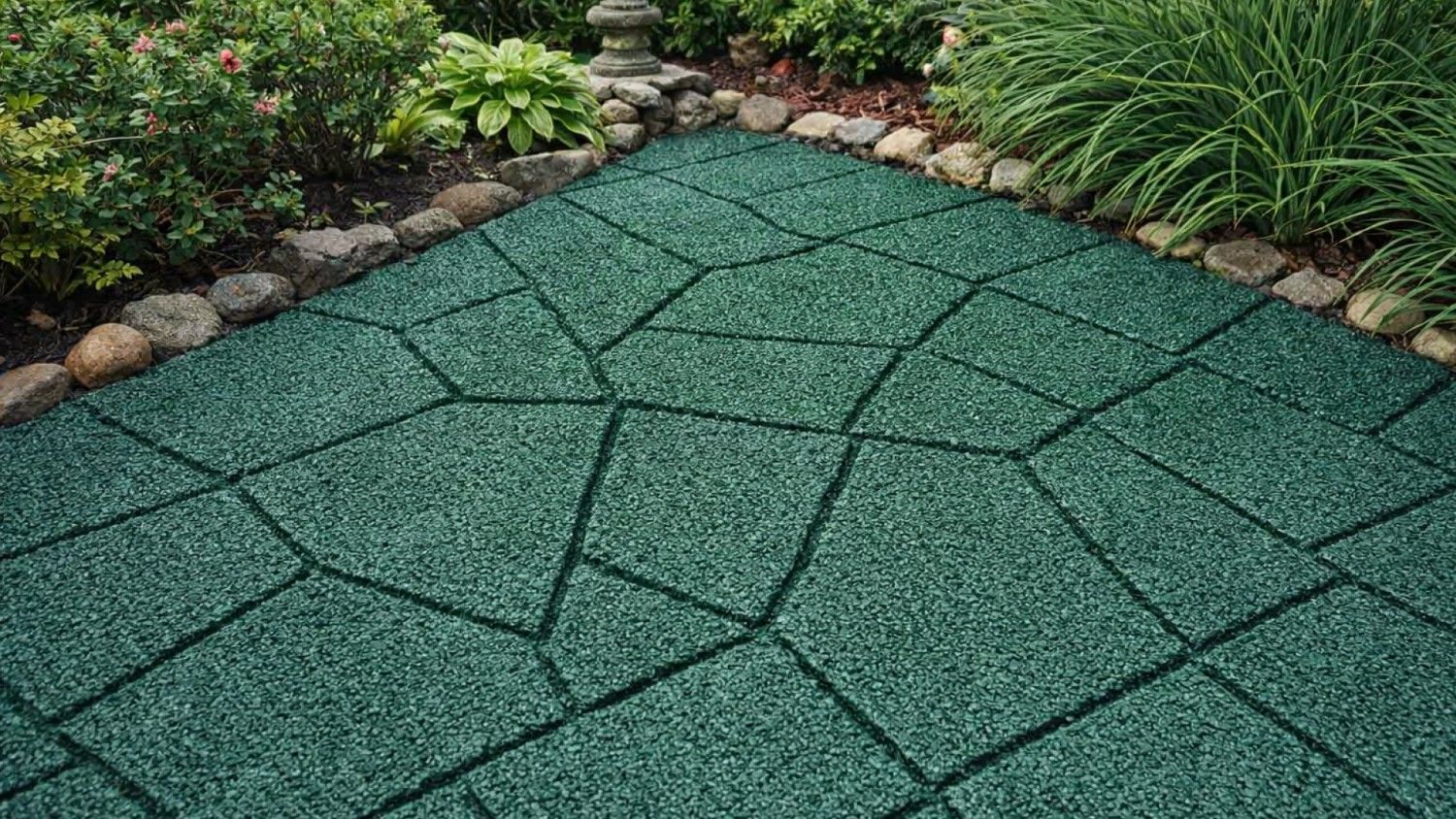
Rubber and plastic pavers can work when you need a quick surface update in a low-load space. They are usually chosen for comfort underfoot or for simple installs where you do not want heavy demolition.
They can be a fit for:
small garden paths with light foot traffic
play or utility areas where a softer feel helps
temporary upgrades while you plan a full patio or walkway
Benefits you may notice:
softer, quieter feel underfoot
some products install faster than traditional pavers
If you are considering rubber or plastic, it helps to confirm how the area is used and how water drains through the space before you choose this option.
Next, you can refine both look and performance by choosing a pattern that fits your layout and use.
Paver Patterns and Layouts That Affect Both Looks and Strength
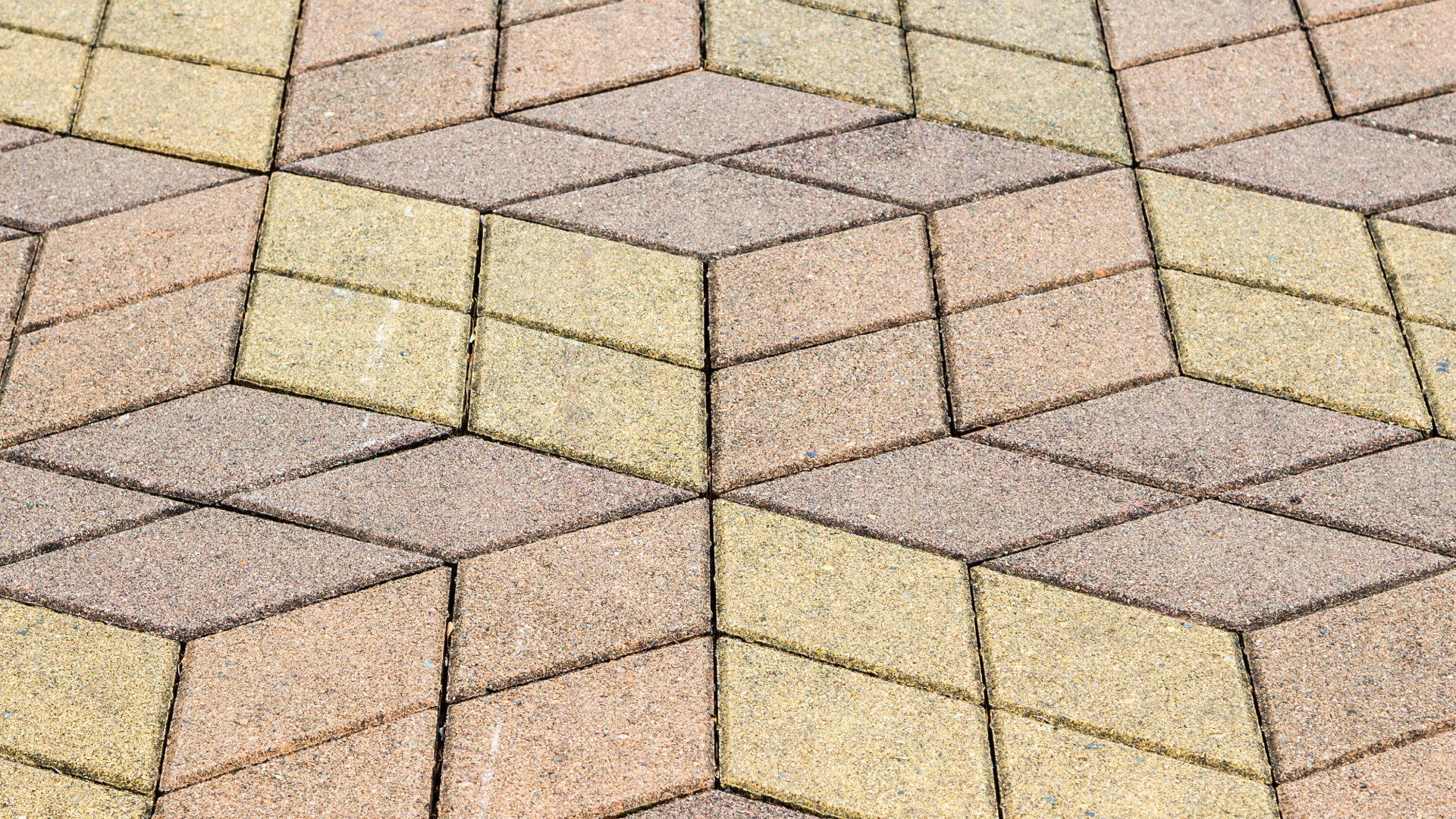
Pattern is not only a design choice. It also affects how well the surface resists movement and how comfortable it is to walk across. Some patterns handle turning forces better, while others are best for straight runs and clean, modern looks.
Herringbone:
Zigzag layout locks units together, reducing shifting.
Ideal for high-traffic areas and long runs.
Running Bond:
Simple offset pattern, easy to install and repair.
Best for straight walkways and patios, requires strong edge restraint.
Basketweave:
Traditional woven look, adds visual interest without being too busy.
Suits classic homes and formal garden paths.
Stack Bond:
Straight grid pattern with clean lines, offering a contemporary look.
Requires precision in base and layout, pairs well with large-format pavers.
Borders and Banding:
Frames the field pattern and strengthens edges.
Especially useful for patios to reduce movement near high-traffic areas.
Next, use a simple matching guide to connect paver types to the most common outdoor uses.
How to Choose the Right Pavers?
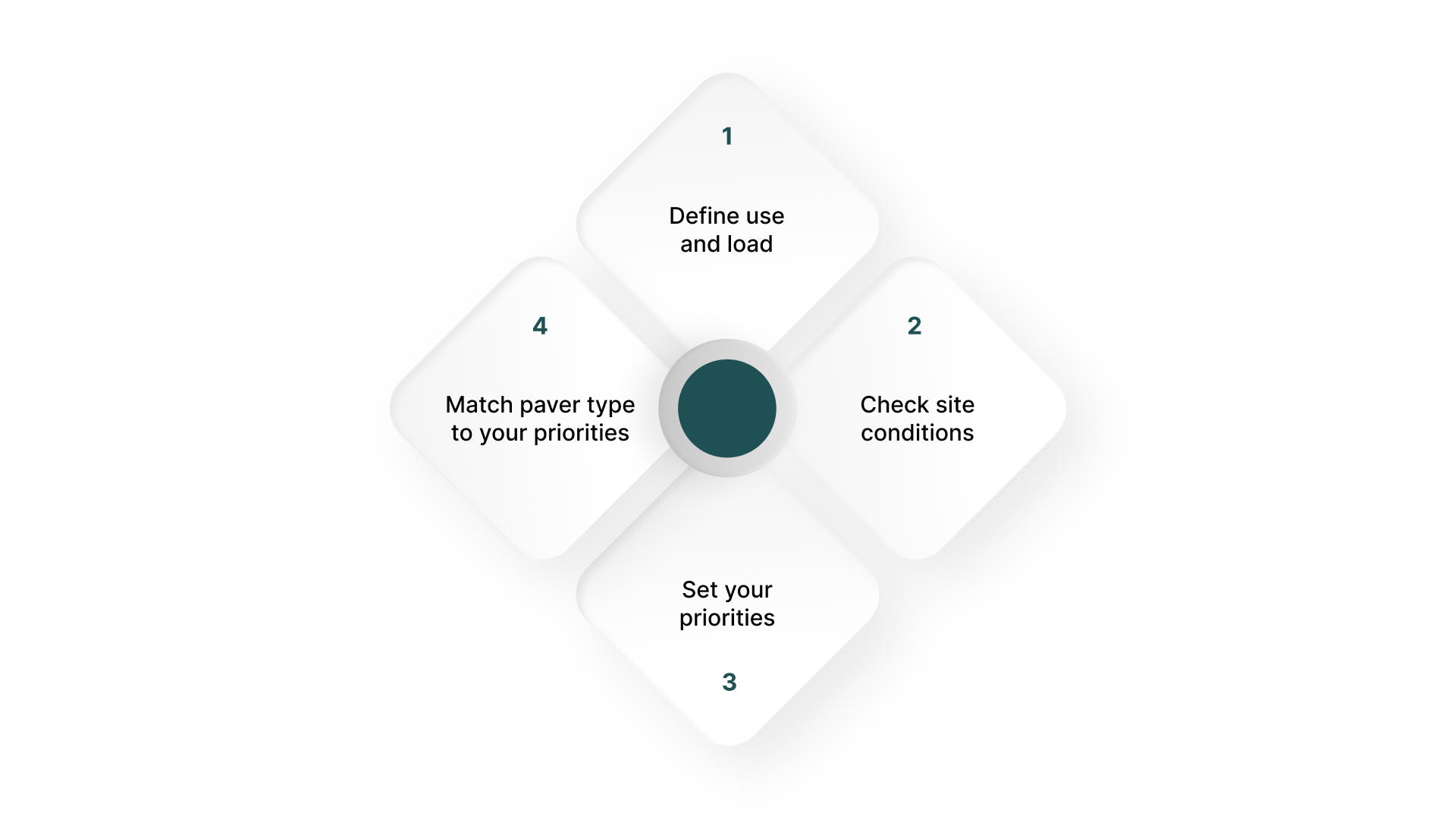
Choosing pavers is like choosing flooring: start with how the space will be used, then match materials to site conditions.
Step 1: Define use and load
Consider where people will walk, sit, or move heavy items.
Is it foot traffic or heavy loads?
Will grills or planters stay in one spot?
Do you need a flat surface or a path that blends with planting?
Step 2: Check site conditions
Quickly assess the area:
Where does water flow during rain?
Is the area shaded and slow to dry?
Are tree roots close to the surface?
Does the surface meet steps, driveways, or doorways?
Step 3: Set your priorities
Choose your top two priorities:
Lower maintenance
Strong traction
Cooler underfoot feel
Higher-end appearance
Better drainage
Budget control
Step 4: Match paver type to your priorities
Use this to narrow your options:
Lower maintenance: Porcelain, dense stones, quality concrete
Traction for walkways: Textured concrete, brick, bluestone
Cooler underfoot: Travertine, lighter stones
Strong drainage support: Permeable pavers
Budget control: Concrete pavers
If you want a clear plan before committing, Higginbotham Designs can help you confirm layout, transitions, and water flow before you choose materials.
Common Mistakes That Lead to Shifting, Sinking, or Stains
Avoid these common mistakes to ensure your pavers stay stable and last longer:
Not building a strong enough base: A shallow or poorly compacted base can cause low spots and shifting pavers.
Skipping edge restraint: Without strong edges, pavers can drift, causing joints to widen and misalign.
Ignoring drainage planning: Water runoff can wash out joint material and weaken the base, leading to uneven surfaces.
Choosing the wrong surface finish for walkways: Smooth finishes can become slippery in shaded or damp areas, creating safety hazards.
Higginbotham Designs: Paver Patios and Walkways Built for Marietta-Area Yards
If you are comparing types of pavers, the material is only part of the decision. The right outcome also depends on layout, edging, base depth, and drainage.

Higginbotham Designs helps you plan and install paver patios and walkways that fit how you use your yard, with a design-first process that reduces guesswork.
Services you can use for a paver project:
Landscape design that ties pavers into planting, grading, and yard flow
Hardscape installation for patios, walkways, and outdoor living spaces
Retaining walls when you need support for slopes and level changes
Water features that pair well with paver patios and seating areas
Outdoor living spaces that connect pathways, gathering areas, and focal points
Custom patios built around how you use your backyard day to day
Service area: Marietta, GA; East Cobb, GA; West Cobb, GA; Kennesaw, GA; Smyrna, GA; Roswell, GA; Acworth, GA.
If you want a clear plan before installation, a consultation can help you choose a paver type that supports long-term stability and easier maintenance.
Next step
Before you choose materials, take three quick steps.
Measure the area: Note slopes, steps, and where water collects after rain.
List your priorities: Consider factors like traction, flatness, or low maintenance.
Schedule a site review: Confirm base depth, edging needs, and drainage routes before installation.
In Marietta-area yards, soil and runoff patterns can affect the best paver choice. Higginbotham Designs can help you select the right paver and ensure proper installation.
Get a free quote to get an on-site estimate and next steps.
FAQs
1. What paver types work best for walkways where traction matters?
Textured concrete pavers, brick pavers, and stones with a natural finish usually provide better grip. Avoid very smooth surfaces in shaded or damp areas.
2. Which types of patio pavers handle food and grill stains better?
Porcelain pavers and some dense concrete pavers resist staining well. Porous stone may need sealing if grills or outdoor kitchens are nearby.
3. Do you need to seal pavers in Georgia?
Sealing is optional for many pavers. It can help reduce staining and color fading on some materials. It does not replace good drainage or base preparation.
4. How do you prevent weeds between pavers?
Proper base prep, correct joint material, and good edge restraint help reduce weed growth. No system is fully maintenance-free.
5. What makes a paver patio easier to maintain?
Choosing stable patterns, strong edges, and materials that suit your sun and shade conditions helps limit cleaning and repairs.